
If you search for where is dacia made, you land in a story that spans Europe, the Mediterranean region, and beyond.
Where Is Dacia Made?
Dacia serves over 8 million customers across 44 countries, and this automotive market favourite has built its reputation on being straightforward, dependable, and cost-effective.
In this blog, I want to put the spotlight on how this prominent player became a best value-for-money brand, and I will walk you through every corner of its history and needs-driven growth.
The popular models that carry the brand today, the Sandero, Duster, and Jogger, all share the same DNA: practical features, low costs, and real usefulness for consumers who don’t want to overpay.
These are the flagship models that have shaken up the wider automotive market, and each one has become one of the true gamechangers in its class.
I get asked all the time which factory builds which car, so let’s answer every one of those questions together, moving from the mobility story of the brand right through to the exact plants that keep production humming.
Where Are Dacia Cars Made?
The honest answer starts in Pitesti, Romania, home to the manufacturing footprint that has powered Dacia since the beginning.
This production hub handles assembling duties for the UK-spec Duster, and it works alongside a second international approach that stretches to Tangiers, Morocco, where the UK versions of the Sandero and Sandero Stepway roll off the line.
This split between two countries is not an accident; it reflects Dacia’s focus on efficiency, adaptability, and meeting different markets without losing the quality and affordability that buyers expect.
Dig a little deeper and you find the real heart of the operation at the Mioveni factory, which opened back in 1968.
The very first car built there was the Dacia 1100, produced under a Renault R8 license, and it was later followed by the 1300 and 1310 along with their derivatives, built under a Renault 12 license; together these older models racked up almost 2.3 million vehicles between 1969 and 2006.
The plant kept evolving through the Nova in 1995, then the SuperRNova and Solenza, right up until 1999, when the Renault Group acquired the brand and set the stage for the modern Logan era starting in 2004 and the Duster in 2010.
Since then, Mioveni has turned into one of the busiest car factories in Europe. The Duster alone has passed 2.6 million copies, making it the most popular model ever built there, while the Logan and its derivatives have hit 1.7 million units, the Sandero Stepway vehicles have reached 880,000, and the Jogger has already crossed 250,000.
One detail that surprises people: the Dacia Spring electric vehicle is actually built in China, not Romania, which shows how the brand mixes local roots with global partnerships when it makes sense.
History of the Brand
Behind the badge sits S.C. Automobile Dacia S.A., a genuine Romanian car manufacturer whose name comes from Dacia, the historical region the Romans once used to describe what we now call modern-day Romania.
The company was founded in 1966 with one clear objective: to build modern, reliable, affordable cars for everyday Romanians, and it kept working to evolve every year, growing fast enough to become Romania’s largest company by revenue and its top leading exporter, a huge part of the country’s economic landscape.
For 33 years the business sat under Romanian government ownership, and then in 1999 everything changed when Groupe Renault, the well-known French car manufacturer, acquired the company outright.
That acquisition triggered a transformative phase, connecting a small national brand to a global automotive powerhouse and giving Dacia a genuine international presence inside the wider automotive market.
The results speak for themselves: in 2021 alone, Dacia sold 537,074 passenger vehicles and commercial vehicles, numbers that would have felt impossible before the Renault family stepped in, even though the brand never abandoned its roots or its strategic shift toward smarter engineering, with the Logan marking that first success.
Launches
Every model launch tells its own chapter of this story, and I like to think of it as a renaissance for the brand each time.
The Logan arrived in 2004 as a modern, robust family saloon built for emerging markets at an unbeatable €5,000, and it revolutionised the segment before reaching commercial success in Western Europe once it launched there in 2005.
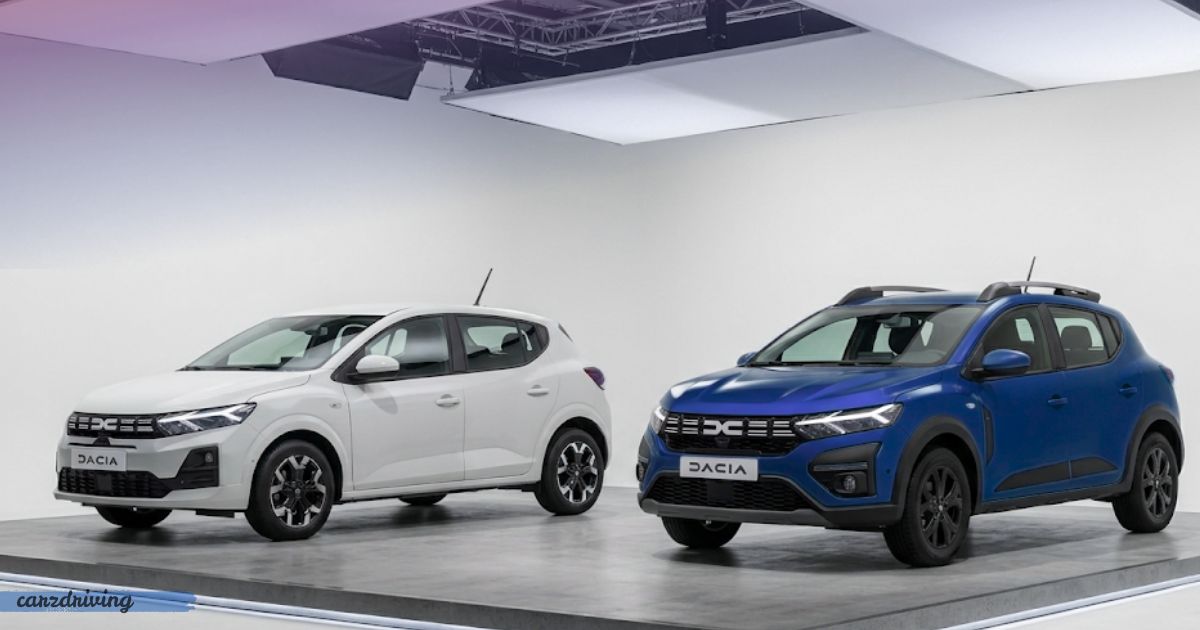
The Sandero followed in 2008 as the brand’s second major launch, and it quickly became the best-selling model thanks to its generous size, practical design, versatility, and affordable price tag, eventually turning into the best-selling passenger car across Europe.
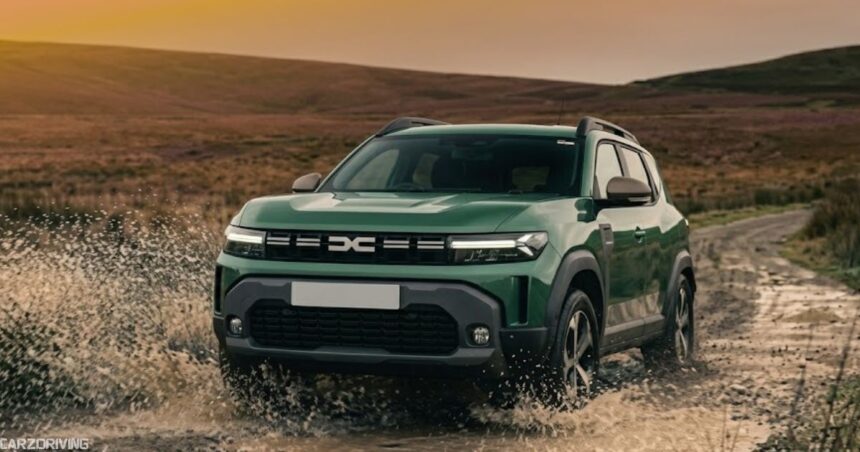
The Duster changed the game again in 2010, tearing up old industry norms by proving an affordable SUV could still deliver genuine off-road capabilities and outstanding versatility.
The Jogger joined the lineup in 2022, carrying that same spirit of adventure and matching the brand’s brand positioning and ethos as a versatile family car that seats 7 passengers, blending the shape of an estate car with the spaciousness and modularity of a leisure activity vehicle and the adventurous appeal of an SUV.
That same year brought a new brand identity, a fresh logo, new colours, and a completely modern line-up.
Then came the Bigster in 2025, entering the C-segment as a 5-seat hybrid SUV built around the values of Essential but Cool, Eco-Smart, Rugged, and Outdoor, equally happy on weekend getaways or the school run, pairing comfort and style with generous interior space and the best boot volume in its segment.
It debuted at the Paris Motor Show, and reports suggest production at the same Romanian plant may eventually feed South America as the Renault Boreal, reaching still more markets down the line.
Underneath, it shares the Renault-Nissan CMF-B LS platform with the Duster, Logan, Sandero, and Jogger, and buyers can choose a gasoline/LPG 1.2L turbo-three, a mild-hybrid 1.2L three-banger, or a 1.8L hybrid with four cylinders producing 155 metric horsepower, matched to a 7sp DCT or a six-speed manual transmission.
Pricing in the United Kingdom starts at £25,215 ($33,685), which sits £5,835 ($7,795) above the base Duster. Step up to the Journey trim level and prices begin at £26,465 ($35,355), while the Extreme trim level starts from £26,715 ($35,690); choose the Hybrid 155 powertrain and the total climbs close to £30,000 ($40,080).
Who Makes Dacia Engines?
I always tell people that Dacia doesn’t build its own engines from scratch; that job belongs to its parent company, Groupe Renault. Renault brings serious expertise and engineering prowess to the table, taking full responsibility for the manufacturing side, so every Dacia benefits from the same technical excellence and innovation found across the wider Renault brand.
This synergy in engine production directly shapes the performance, efficiency, and reliability of every car, and it explains why quality and focus stay consistent throughout the Renault automotive family, giving owners real trust in the collaborative effort behind the badge.
Are Dacia Cars Any Good?
From my own time behind the wheel, I’d call Dacia genuinely Practical, built with everyday drivers and their functionality in mind, fitting easily into all kinds of lifestyles.
On top of that, Dacia is impressively Fuel-Efficient, with strong fuel efficiency across the range that delivers economical options, lowers running costs, and supports a more sustainable driving experience for anyone shopping these vehicles.
Are Dacia Cars Reliable?
Dacia earns its reliable reputation partly through Robust Build quality, engineering real durability and resilience into every panel, and that sturdiness gives owners genuine security and long-term reliability.
The Functional Design backs this up too, since every detail gets shaped around a dependable driving experience rather than flash for its own sake. Then there’s the Low Ownership Costs angle, where sensible affordability meets modest maintenance expenses and cheap spare parts, adding up to a properly budget-friendly ownership experience.
How Do You Pronounce Dacia?
When you are curious about where is dacia made you also get curious how to pronounce the word dacia, People mix this up constantly, so here’s the simple version: it’s pronounced “da-chee-uh.” Getting the correct pronunciation right adds a nice bit of authenticity whenever this respected automotive brand comes up in conversation.
Dacia has built something rare: practical, affordable, and reliable vehicles that turned a small Romanian firm into a major brand across the whole automotive industry.
Whether you want a budget-friendly car or a dependable daily driver, this brand has earned real trust over six decades.
Browse new Dacia cars, check out the latest models, and visit local dealers to see the mix of practicality and affordability for yourself, across 44 countries, Europe, and the Mediterranean region, serving 8 million customers and counting, with the latest editions in the Extreme range bringing rugged, outdoor styling that proves the story is far from finished.
FAQs
Where are Dacia cars manufactured?
Dacia cars are manufactured in two key locations Pitesti, Romania and Tangiers, Morocco serving different markets with the same commitment to quality and affordability.
Who owns Dacia and controls its production?
Groupe Renault, the powerful French car manufacturer, has owned and guided Dacia’s production since 1999, transforming it into one of Europe’s most trusted budget-friendly automotive brands.
Where is the Dacia Duster specifically made?
The UK version of the beloved Dacia Duster is proudly assembled at the production hub in Pitesti, Romania, a facility with deep automotive manufacturing heritage.
Where is the Dacia Sandero made?
The UK versions of the popular Dacia Sandero and Sandero Stepway are built at the modern Tangiers plant in Morocco, reflecting Dacia’s smart international manufacturing strategy.
Are Dacia cars reliable despite being budget vehicles?
Absolutely Dacia cars are built with a robust design, backed by Groupe Renault’s engineering expertise, offering genuine durability, low ownership costs, and a truly dependable driving experience for everyday drivers.