When I first started exploring budget-conscious car buying, I kept asking myself where is Dacia made and the answer genuinely surprised me as a brand that delivers real value-for-money across the automotive market.
Most people in Europe and the Mediterranean region know Dacia as one of the most straightforward, dependable, and cost-effective choices available today.
The brand serves over 8 million customers across 44 countries, and its flagship models like the Sandero, Duster, and Jogger have proven themselves as true gamechangers in the world of affordable, reliable vehicles.
Back in the day, buyers in Eastern Europe and Russia had limited choices, with brands like Lada and FSO dominating the price-sensitive segment.
The Romanian firm Dacia stood apart by offering badge-engineered Renaults that stretched the lifespan of a single model beyond 35 years, something no other manufacturer from the old Soviet Union era managed to pull off.
Today, Dacia operates as a genuine Western car maker with a rock-solid philosophy of keeping its vehicles among the cheapest on the market, while also pushing into new territory with the Spring, its first electric vehicle and a strong contender for the most affordable EV you can buy, despite ongoing concerns around safety ratings.
What makes Dacia stand out is its no-nonsense budget approach combined with serious sales success across prominent player markets where practical features and low costs genuinely matter.
The Jogger, Sandero, and Duster continue to attract consumers who want excellent value without unnecessary extras, and I think that honest approach is exactly why Dacia keeps growing.
Whether you come from Communist countries or modern Western markets, Dacia’s reputation for producing affordable and reliable cars with practical features speaks for itself.
Who Owns Dacia?
If you are wondering where is Dacia made and who stands behind it, the story starts with S.C. Automobile Dacia S.A., is a proud Romanian car manufacturer whose identity traces directly back to the historical Roman region that we now call Romania, and the company was established in 1966 with a vision to put affordable cars on Romanian roads.
For 33 years, the brand ran under Romanian government ownership, growing into the country’s largest company by revenue and its leading exporter, making a massive impact on the national economic landscape.
Then in 1999, Groupe Renault, the well-known French car manufacturer, acquired Dacia in what became a truly transformative phase for the brand, connecting it to a global automotive powerhouse and opening doors to international presence across competitive automotive market segments.
The roots of Dacia go even deeper, back to a factory built during the second world war to produce aircraft engines, which the Romanian railways later took over and which eventually laid the foundation for Dacia car production.
The Renault connection appeared early, with the Renault 8 built under license as the Dacia 1100, selling over 37,000 units between 1968 and 1972, followed by the 1300, which was essentially the Renault 12 with design and tooling acquired directly from Renault, spawning estate and pick-up variants that could not keep up with customer demand.
Dacia briefly produced its own version of the Renault 20 in the 1980s, but that co-operation broke down, leaving the brand to rely on 1300 derivatives, including the Dacia Denem sold in the UK, while parts from the 1300 even found their way into ARO off-road vehicles, with the ARO10 becoming the very first Dacia Duster sold in the UK.
By 1994, Dacia introduced the all-new Nova, a three-box saloon that had been in development for over a decade, though it looked dated against rivals at launch and never matched the popularity of the 1300 variants, the last of which arrived in 1998 at a starting price of just €4,200, maintaining strong sales despite being based on a 30-year-old platform.
When Groupe Renault returned in 1999, they focused production for central Europe and eastern Europe in Romania, launching the SupeRNova as a stopgap model fitted with a proper Renault engine and gearbox before the real transformation began. In 2021 alone, Dacia recorded remarkable results, selling 537,074 passenger and commercial vehicles, proving that the Renault family connection had firmly secured Dacia’s place on the world stage.
Where Is Dacia Made?
Dacia runs a smart global manufacturing operation with key production facilities in two main locations, Romania and Morocco, each serving specific markets with precision and purpose.
The production hub in Pitesti, Romania handles the assembling of UK versions of the Dacia Duster, making it a critical site for one of the brand’s most popular models. This strategic split between Romania and Morocco reflects Dacia’s strong focus on efficiency and adaptability across different markets.
The UK versions of the Sandero and Sandero Stepway come from the plant in Tangiers, Morocco, which gives Dacia the flexibility to manage production costs while maintaining the quality and affordability that buyers expect. This international approach to building cars allows Dacia to serve diverse markets without compromising on what matters most to its customers.
I find it genuinely impressive how Dacia balances cost control and product consistency across two continents through this well-planned production strategy.
By keeping manufacturing spread across Romania and Morocco, Dacia ensures that its vehicles reach buyers with the right balance of quality and low price, something that many larger brands struggle to achieve.
The Pitesti facility in Romania has decades of automotive heritage behind it, while Tangiers brings modern, efficient production capacity to the mix.
Dacia, A Brand Reborn
Dacia was founded in Romania in 1966 with one clear objective: to give all Romanians access to modern, reliable, and affordable cars at a price that ordinary families could actually manage.
The brand took its name from the ancient region that the Romans once called Dacia, the same region we now know as Romania, giving it a deep historical identity rooted in the land itself.
That original mission never really left the brand, even as the world around it changed dramatically over the following decades.
The real turning point came in 1999 when Renault acquired Dacia and pushed the brand through a bold strategic shift that modernised everything without abandoning its roots.
Rather than turning Dacia into just another European mainstream brand, Renault kept the focus on affordable, accessible cars and used its engineering resources to make them genuinely competitive. The result was a reborn brand with global ambitions but a firmly grounded identity.
That rebirth found its first major symbol of success in Logan, a car that proved a budget brand could still excite the automotive market and win serious commercial results across multiple continents.
Logan showed that the objective of building honest, no-frills cars for everyday people was not a weakness but a genuine strength in a market flooded with overpriced options.
From that point forward, Dacia never looked back, and the brand continued building on that momentum with every new model it introduced.
What Models Does Dacia Have?
Dacia introduced the Logan in 2004, marketing it boldly as the €5,000 family saloon designed specifically for emerging markets, and it quickly became a phenomenon that reshaped expectations across the entire automotive market.
The Logan delivered genuine commercial success not just in Romania and central Europe but also in Russia and Western Europe by 2005, becoming a true best-seller in markets where affordable, no-nonsense transport was in high demand.
While it never quite hit that exact €5,000 price point, its impact on the automotive market was revolutionary and set the tone for everything Dacia would do next.
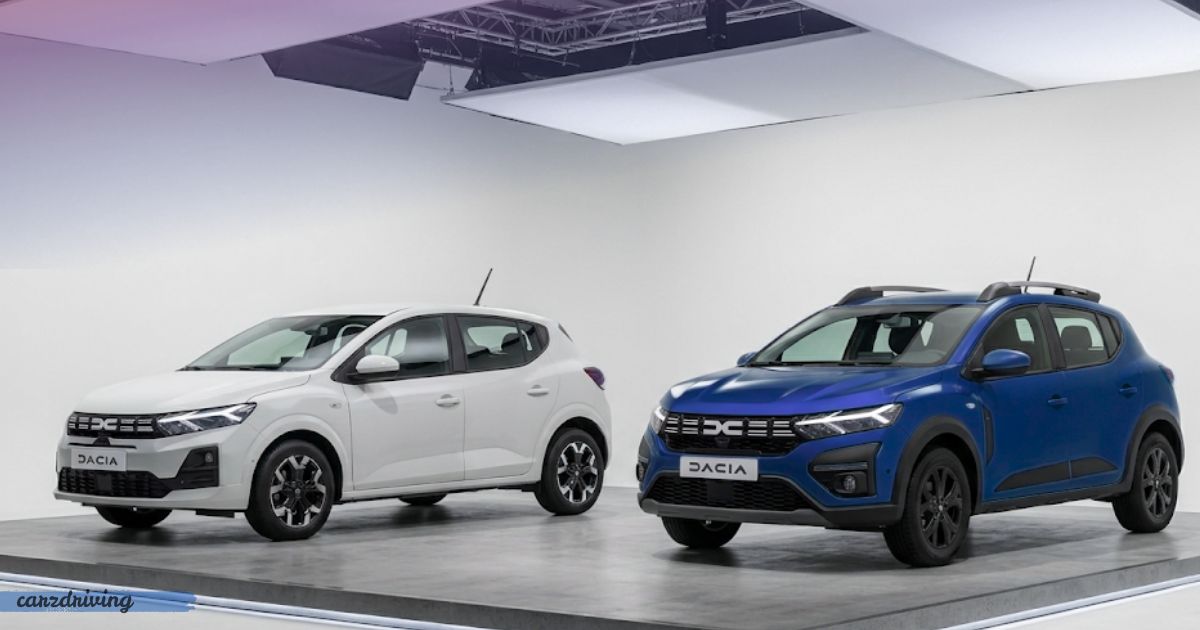
The Sandero arrived in 2008 as Dacia’s second major launch, quickly earning the title of best-selling model thanks to its generous size, practical design, versatility, and genuinely affordable pricing that made it impossible to ignore for budget-conscious buyers across Europe.
By 2021, the updated Sandero and Sandero Stepway had been on sale for several years, praised widely for comfort and practicality, though the two-star Euro NCAP safety rating remained a sticking point for buyers who prioritize protection.
The Sandero also offers a unique dual-fuel petrol and LPG option alongside the standard 90hp petrol engine, giving drivers an extra layer of running cost versatility that few rivals in its class can match.
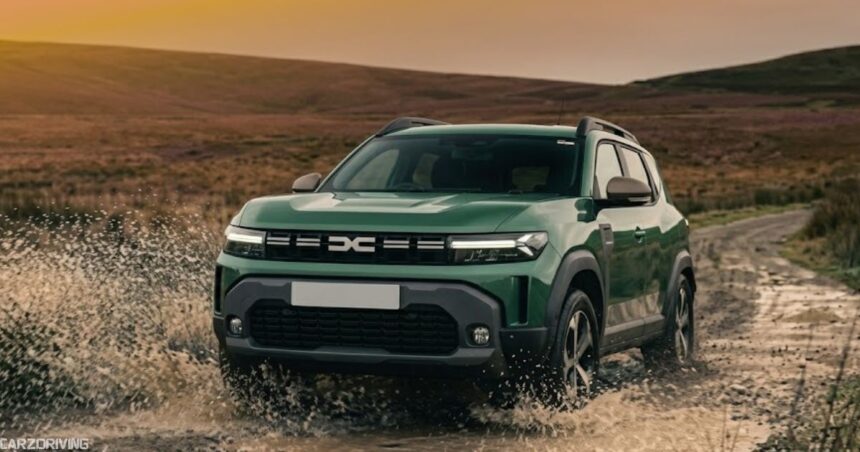
The Duster launched in 2010 as a genuinely affordable SUV with real off-road capabilities, available in both two-wheel drive and four-wheel drive configurations that appealed to a wide range of drivers seeking versatility at a bargain price.
Now in its third generation since 2024, the Duster runs exclusively on petrol and hybrid powertrains, features a noticeably improved interior, and holds a New Car Expert Rating of B overall, though its safety specification only reaches a C, reflecting the recurring bargain basement safety trade-off that runs through the Dacia range.
The Duster remains the core of Dacia’s line-up, and I genuinely believe its combination of rugged ability and low pricing is something no other manufacturer in the compact SUV space can truly replicate.
Dacia launched the Jogger in 2022 as a bold move into the people-carrier segment, offering space for 7 passengers in a package that blends the length of an estate car with the spaciousness and modularity of a leisure activity vehicle and the adventurous spirit of an SUV.
Essentially a stretched Sandero with an extra pair of rear-most seats, the Jogger holds the title of the most affordable way to get seven seats in a brand-new car, making it highly attractive for large families on a tight budget.
Unfortunately, the one-star Euro NCAP safety rating due to poor protection for those rear-most seats is a serious concern that Dacia will need to address as competition in this segment grows.
The Spring entered the market as the most affordable electric car available, directly challenging rivals with its ultra-low entry price and positioning itself as Dacia’s gateway into zero-emission motoring for budget buyers.
However, the Spring can only cover an official 140 miles between charges, it is not particularly quick compared to most EVs, and it shares the disappointing one-star Euro NCAP safety rating with the Jogger, which will concern safety-focused buyers considering it against growing budget rivals.
Despite these limitations, the Spring clearly serves a purpose in a market where the cost of going electric still puts many buyers off.
The Bigster arrived in 2025 as Dacia’s most ambitious model yet, entering the C-segment as a 5-seat hybrid SUV that carries the brand’s values of being Essential, Cool, Eco-Smart, Rugged, and Outdoor-ready into a larger, more premium-feeling package.
Equally capable on weekend getaways or the daily school run, the Bigster delivers impressive comfort and style alongside class-leading interior space and the best boot volume in its segment, while finally achieving a respectable three stars from Euro NCAP, a genuine improvement on Dacia’s historically poor safety showings in the compact SUV space.
Looking ahead, Dacia is reportedly working on a mid-sized hatchback to rival the Volkswagen Golf and Vauxhall Astra, and there are whispers of a saloon variant too, while a replacement for the Spring based on the Renault Twingo could arrive within two years, which makes sense given the Spring has already been on sale in Europe since 2021 and is now well into the second half of its seven-year model cycle in the UK market.
The New Brand Identity
In 2022, Dacia made a bold public commitment to simplicity, durability, and accessibility by unveiling a completely refreshed brand identity that included a striking new logo, fresh new colors, and a fully updated, confidently modern line-up that the brand could genuinely be proud of.
This was not just a cosmetic exercise but a clear signal that Dacia intended to keep its promise to customers across all 44 countries and throughout the Europe and Mediterranean region markets it serves.
The redesign gave the brand a sharper, more confident visual language while staying true to the values that made it successful in the first place.
The refresh also brought the exciting Extreme range into focus, adding rugged and outdoor styling options that gave buyers a more adventurous edge without pushing prices beyond what 8 million customers had come to expect from the brand.
This Extreme range perfectly captured the spirit of a brand that wants to be both practical and personality-driven, appealing to drivers who want their car to reflect an active lifestyle without paying a premium for it.
I think the 2022 identity shift was genuinely one of the smartest moves Dacia made in recent years, because it modernised the brand’s image while keeping its core promise of accessible, honest motoring completely intact.
Who Makes Dacia Engines?
Dacia relies on the deep expertise of its parent company, Groupe Renault, to handle all engine design and manufacturing, ensuring that every car that leaves the factory carries powerplants built to serious engineering standards.
This collaborative relationship between Dacia and Renault means that Dacia vehicles benefit directly from the technical excellence and innovation that the wider Renault automotive family has developed over decades of competitive motorsport and mainstream car production.
The result is an engine production process that prioritizes reliability, performance, and long-term quality at every stage.
The synergy between the two brands in engine production goes beyond simply sharing parts, because it brings genuine Renault brand engineering DNA into every Dacia model, giving owners confidence that their powertrain meets the same standards found in far more expensive cars.
This is one of the reasons Dacia vehicles punch well above their price point in terms of mechanical reliability and everyday efficiency, two qualities that matter enormously to the budget-conscious buyers Dacia serves.
From the 90hp petrol unit in the Sandero to the hybrid systems in the Duster and Bigster, every engine reflects the combined expertise of this powerful collaborative partnership.

Are Dacia Cars Any Good?
I have spoken to many everyday drivers who chose Dacia specifically because of its genuinely practical approach to car design, and almost all of them highlight how well the features suit their real lifestyles without any unnecessary complexity getting in the way.
The brand’s commitment to functionality means that every switch, every storage space, and every seat in a Dacia serves a clear purpose, making these cars feel honest and considered in a way that more expensive vehicles sometimes are not.
For drivers who want a car that works hard without demanding too much in return, Dacia’s practical features consistently deliver exactly what people need.
On the affordability front, Dacia has built its entire identity around delivering genuine quality without inflating prices to fund flashy marketing campaigns or unnecessary technology, and that approach clearly resonates with budget-conscious consumers across Europe and beyond.
The brand proves every year that being affordable does not mean being cheap in the negative sense, because Dacia vehicles hold together well, feel solid on the road, and cost far less to run than most rivals in their segments.
That combination of low purchase price and strong perceived quality is genuinely rare in today’s automotive market, and Dacia deserves real credit for maintaining it.
Dacia models also stand out for being impressively fuel-efficient, offering drivers genuinely economical options that keep running costs low across thousands of miles of everyday use.
Whether you choose the standard petrol engine, the dual-fuel petrol LPG option, or one of the newer hybrid powertrains, Dacia gives you real choices that support a more sustainable driving experience without forcing you into an expensive electric car before you are ready.
For anyone trying to balance a tight budget with responsible motoring, the fuel-efficient nature of the Dacia range makes a meaningful difference month after month.
Are Dacia Cars Reliable?
Dacia builds its cars with a genuinely robust design philosophy that prioritizes durability and resilience on the road, and you can feel that sturdiness the moment you get behind the wheel of any model in the current range.
That physical sense of security is not accidental but comes from engineering decisions made specifically to ensure long-term reliability for buyers who need a car they can depend on day after day without expensive surprises.
The robust construction of Dacia vehicles is one of the main reasons the brand continues to attract loyal repeat buyers who value dependable transport above everything else.
The functional design running through every Dacia model is a direct expression of the brand’s commitment to building cars that work reliably in real-world conditions rather than just impressing people in a showroom.
Every element of a Dacia’s functional design earns its place by contributing to a dependable driving experience that owners can count on whether they are commuting through city traffic or tackling rougher terrain in the Duster or Bigster.
This no-frills but carefully considered approach to design is what makes Dacia one of the most genuinely reliable choices in the budget car segment today.
Low ownership costs are perhaps one of the most underrated strengths of the Dacia range, because the brand’s commitment to affordability extends well beyond the showroom and into the day-to-day reality of running a car on a real-world budget.
Maintenance costs stay reasonable, cost-effective spare parts are widely available through the Renault dealer network, and Dacia owners consistently report a genuinely budget-friendly ownership experience that does not throw up unexpected bills every time the car goes in for a service.
For anyone who factors total cost of ownership into their buying decision, Dacia’s combination of low ownership costs and solid reliability makes a very compelling case.
What Makes Dacia Different to the Rest?
Dacia makes absolutely no attempt to hide or dress up its core sales philosophy, which is simply to build cars that cost as little as possible while still meeting the needs of everyday drivers, and that refreshing honesty is a big part of what makes the brand so genuinely likeable.
In a market full of inflated pricing and unnecessary extras, Dacia stands apart by giving buyers the option of a brand new car for roughly the same money as a used one from competing brands, which is a genuinely competitive and powerful proposition.
That straightforward attitude to value is something I personally respect because it treats buyers as intelligent adults who know exactly what they need.
Dacia’s Romanian identity sits proudly at the heart of everything the brand does, and being firmly embedded within Europe and operating under the wing of Renault means its cars now meet all the standards expected by European buyers in terms of build quality, emissions compliance, and everyday usability.
The honest caveat here is that safety ratings remain below the norm compared to rivals, and choosing a Dacia does mean accepting that you will not get the bells and whistles that other brands load into their cars as standard.
But for buyers who put budget, value, and honest money-saving at the top of their priorities, Dacia consistently delivers something no other mainstream brand in Europe can truly match.
Where Can I Try a Dacia Car?
Finding your nearest Dacia dealer is surprisingly simple because the brand shares its retail network with Renault, meaning that wherever you spot a Renault outlet in your area, the Dacia badge is almost certain to be right alongside it.
With around 140 outlets spread across the UK, Dacia has built solid national coverage that makes it easy for Dacia owners and prospective buyers to access the brand without travelling long distances. That shared network is a real practical advantage that many smaller brands simply cannot offer.
The link to Renault also brings significant benefits on the aftersales side, because the entire Renault network is fully available to Dacia owners for servicing, warranty work, and genuine parts supply.
This means that even if your nearest dedicated Dacia dealer is not particularly close, you still have access to a wide and experienced service infrastructure that keeps running costs predictable and convenient.
For a budget brand, having that level of aftersales support backed by one of Europe’s largest automotive groups is genuinely reassuring.
How Do You Pronounce Dacia?
One final thing worth knowing alongside where is Dacia made is simply how to say the name correctly, Dacia is pronounced as “da · chee · uh”, and getting that pronunciation right adds an instant touch of credibility when you are talking about this genuinely reputable automotive brand with friends, family, or a dealer.
Many people in the UK default to saying it as it looks on paper, but the correct Romanian-influenced pronunciation sounds much more natural once you hear it a couple of times.
Getting it right feels like a small but authentic way of showing genuine respect for a brand with such deep and proud Romanian roots.
Where is Dacia Made?
Where are Dacia cars manufactured?
Dacia cars are manufactured in two key locations Pitesti, Romania and Tangiers, Morocco serving different markets with the same commitment to quality and affordability.
Who owns Dacia and controls its production?
Groupe Renault, the powerful French car manufacturer, has owned and guided Dacia’s production since 1999, transforming it into one of Europe’s most trusted budget-friendly automotive brands.
Where is the Dacia Duster specifically made?
The UK version of the beloved Dacia Duster is proudly assembled at the production hub in Pitesti, Romania, a facility with deep automotive manufacturing heritage.
Where is the Dacia Sandero made?
The UK versions of the popular Dacia Sandero and Sandero Stepway are built at the modern Tangiers plant in Morocco, reflecting Dacia’s smart international manufacturing strategy.
Are Dacia cars reliable despite being budget vehicles?
Absolutely Dacia cars are built with a robust design, backed by Groupe Renault’s engineering expertise, offering genuine durability, low ownership costs, and a truly dependable driving experience for everyday drivers.