

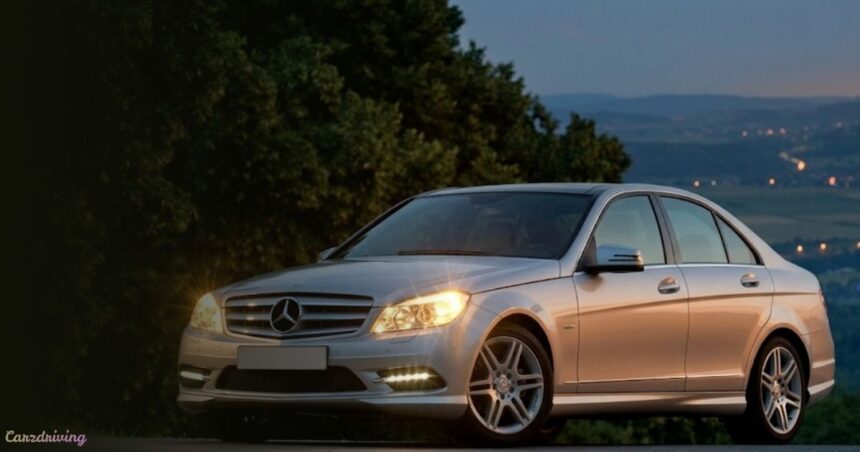
The Mercedes-Benz C-Class W204 genuinely surprised me the first time I drove one it felt nothing like the W203 it replaced, and everything like a car that Stuttgart had spent years obsessing over.
Back in 1982, Mercedes introduced the W201 series, better known as the 190E, which gave buyers a serious alternative to the BMW 3-Series, especially those who prioritized quality, solidity, and comfort above all else.
Mercedes C-Class W204
The W203 proved particularly clever at attracting younger customers through its dynamic chassis and image-boosting AMG C32 and C55 models, though the sales chart still showed BMW 3-Series ahead partly because Mercedes kept its coupe under the CLK-class name, and partly because the 3-Series simply offered stronger driver appeal.
Mercedes knew the next generation had to fight harder, so the C-Class arrived in 2007 carrying genuine sportiness into a package that previously leaned more toward tradition than thrill.
What made this C-Class tick was a fundamental shift in engine technology, with CDI diesel and petrol options replacing older units, Blue EFFICIENCY arriving in 2008, and supercharger hardware gradually giving way to turbocharger setups.
The CDI engines routinely covered 400,000 to 500,000 kilometers with proper maintenance, while the earlier CGI petrol units started needing serious repairs somewhere between 150,000 and 200,000 kilometers.
The magnetic clutch and compressor assembly on early cars caused headaches, but the C320 CDI with its 224 hp output ran with remarkable smooth running refinement that benchmarked what a six-cylinder diesel could actually deliver in the premium mid-size segment against rivals like the Audi A4 and of course the BMW 3-Series a competitor that Stuttgart never stopped chasing.
Design & Styling
The AMG bumpers and skirts gave it real road presence, and the coupe-inspired grille design separated it visually from every other C-class before it.
Stuttgart played the “one car, two personalities” card brilliantly, keeping the Elegance trim’s traditional radiator grille for luxury-biased buyers while pushing the sport-biased Avantgarde toward a more aggressive visual language that directly challenged BMW 3-Series buyers who cared about how their car looked from the outside.
The adaptive dampers changed the character of the car depending on which mode the driver selected Comfort kept things smooth for daily driving while Sport sharpened throttle response and stiffened the body control enough to make the chassis feel genuinely alive.
Mechanical damping handled the budget end of the range well, but the electronic adaptive setup on higher trims offered something its rivals genuinely hadn’t matched yet.
Weight distribution improved meaningfully too, with the C180K sitting at 52.5:47.5 front to rear compared to the old 53.2:46.8 split a small number that made a real difference through corners.
The styling brought some criticism alongside the praise the slim C-pillars stripped away some of that traditional Mercedes solidity feel, and the black plastic window frames read as more mainstream than unique.
Cover the grille and the car risked looking like something from a Japanese brand or even a Hyundai, which stung for a Stuttgart product.
On the credit side, the clamshell bonnet looked genuinely stylish, the new headlamps improved dramatically over the old peanut-shape units, attention to details stepped up noticeably, and the body panels fit tightly in a way that signaled real manufacturing progress giving the C-Class a neat design that worked even if it didn’t always feel unmistakably Mercedes.
Dimensions & Cabin
The C-Class grew in every direction that mattered 55mm longer, 42mm wider, and with a wheelbase stretched by 45mm to reach 2760mm total, the cabin rewarded both front and rear passengers with noticeably more space than the generation before.
Front occupants gained 40mm of extra shoulder room while rear passengers picked up 20mm, and although legroom at the back barely changed, the old C-class was never genuinely short back there so the C-Class stayed competitive.
The jump in quality felt like a quantum leap from the cost-cut W203 era that Jurgen Schrempp’s cost-cutting policy had defined the new cabin used soft-touch materials, a neat design language, and solid assembly that made the interior feel genuinely premium rather than merely adequate.
Mercedes brought S-class thinking down into the C-class cabin by offering the COMMAND control system with voice recognition and the clever Pre-Safe system as options, giving buyers access to luxury features they previously had to spend considerably more to access.
The 3-link MacPherson struts up front and 5-link suspension at the rear carried over because the geometry already worked well enough that changing it would have solved nothing. The soft-touch materials throughout the cabin reinforced the move away from the generation that Jurgen Schrempp’s cost decisions had compromised, and the solid assembly quality gave the C-Class an interior that genuinely competed with the BMW 3-Series on feel rather than just specification lists.
Mercedes understood that winning the premium argument required the interior to back up the exterior design, and the C-Class delivered that in a way the W203 simply couldn’t.
Chassis & Engineering
The C-Class chassis carried a 0.27 drag coefficient identical to the W203 which proved that the sharper angular body hadn’t compromised aerodynamic efficiency despite looking considerably more aggressive from the outside.
Torsional rigidity climbed 13 percent through smarter use of high-strength steel, which made up roughly 70% of the total structure, while engineers converted the front cross beam, crash boxes, fenders.
The C180K achieved a 52.5:47.5 front-to-rear balance compared to 53.2:46.8 on the outgoing car a shift that genuinely contributed to the improved chassis dynamics that drivers noticed immediately.
The 3-link MacPherson struts at the front and 5-link setup at the rear stayed because the suspension geometry was already sophisticated enough that redesigning it would have introduced risk without reward.
Adaptive damping was where Mercedes invested the real engineering effort mechanical units on base trims firmed up automatically under hard use, while the electronic version on higher specs let drivers switch between Comfort and Sport mode, with each selection also adjusting throttle sensitivity and automatic transmission behavior.
Converting key structural parts to aluminum while compensating with more high-strength steel elsewhere showed how deliberately Mercedes engineered the C-Class structure every decision served both rigidity and weight distribution simultaneously.
The engineering approach throughout the C-Class reflected a Stuttgart team that understood exactly where the W203 had fallen short and built corrections into every chassis decision.
Electronic adaptive damping in particular gave the C-Class something rivals hadn’t offered yet, and the combination of improved geometry, smarter suspension parts, and better weight distribution produced a chassis that felt considerably more serious than its price suggested.
The mechanical groundwork that Mercedes laid under the C-Class body explains why so many of these cars still drive well today the structure was simply compensated and engineered with enough precision to age gracefully.
Driving & Performance
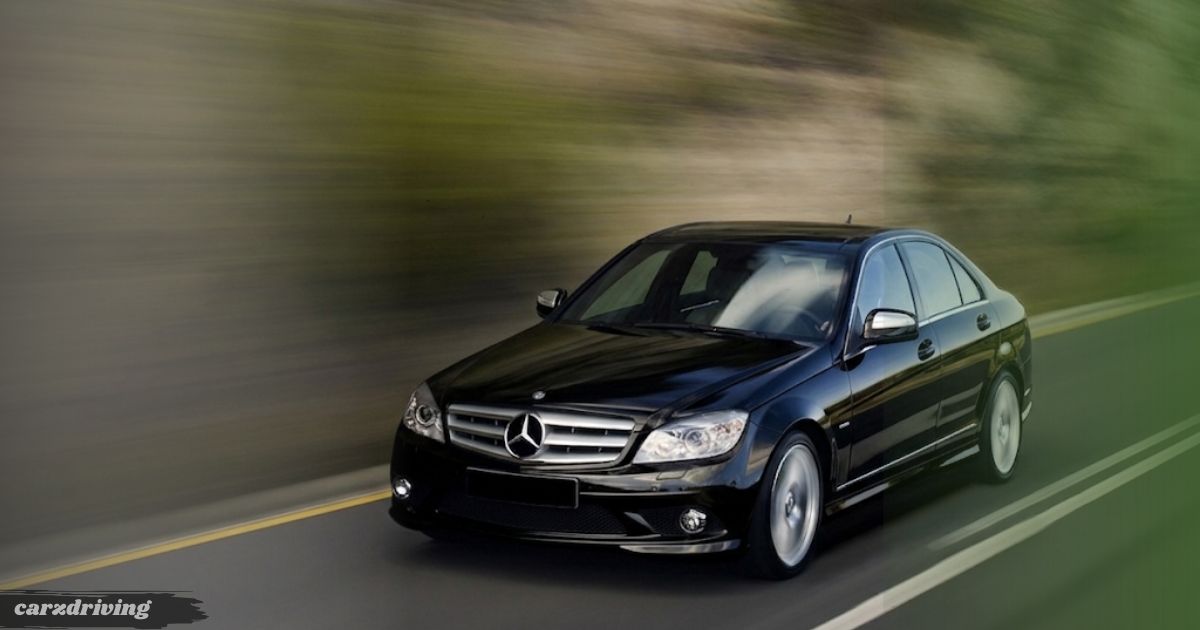
Getting behind the wheel of a C-Class after spending time in a W203 felt like someone had finally tuned the car the way it always should have been handling was sharper, balanced more naturally, and the whole experience felt more precise and responsive than anything the previous generation offered.
The steering stayed light enough for city use while delivering quick and accurate feedback on faster roads, and the chassis felt genuinely solid underneath you in a way that built real confidence through corners.
Grip levels impressed consistently, and the car resisted both understeer and body roll far better than its predecessor thanks largely to the adaptive dampers doing their job quietly in the background.
In Comfort mode the C-Class delivered a quiet and comfortable ride that genuinely earned the “mini S-class” description people attached to it and switching to Sport mode sharpened throttle response and stiffened the mechanical or electronic suspension enough to make the same car feel meaningfully different on a good road.
The adaptive dampers on the electronic setup represented real engineering progress, and I’d argue Mercedes made exactly the right call prioritizing them despite the added cost.
Against the BMW 3-Series, the C-Class matched its rival almost completely the gap only opened in the final two-tenths where BMW’s composure and balance at the limit pulled slightly ahead, though the Mercedes answered back with superior ride quality and refinement that the BMW simply couldn’t match.
The pre-pressurized brake pedal rewarded feathered inputs with maximum performance, and the system raised its awareness level after the car’s computer recorded a certain number of windshield wipes a detail that showed how seriously Mercedes took active safety even in everyday dynamic situations.
The rollback assist system held the car steady on an incline or decline for a few seconds after a slightly firmer brake tap, which proved genuinely useful in traffic.
Combined with autosense wipers that handled misty or foggy mornings automatically and the lane change turn signal that flashed three times before shutting itself off, the C-Class wrapped its driver appeal in a layer of thoughtful convenience that the raw performance numbers alone never fully captured.
Engines
The C-Class engine lineup covered more ground than almost any competitor in the premium segment, starting with the M271 four-cylinder Kompressor units that powered the C180 at 115kW (156hp) and the C200 at 135kW (184hp) both supercharged 1.8-liter engines that delivered strong torque but suffered from defective magnetic clutches, leaking intercoolers, and wear-prone compressor wheels that made them the most maintenance-intensive engines in the entire C-Class family.
From 2009, CGI (Charged Gasoline Injection) technology replaced the supercharger setup on the C200, initially producing 135kW (184hp) and later climbing to 150kW (204hp), while the M272 V6 in the C350 delivered 200kW (272hp) with significantly better reliability than the supercharged units below it.
The AMG flagship the C63 ran a 6.2-liter V8 M156 producing 336kW (457hp) in standard form and 358kW (487hp) in the Performance version, an engine so characterful it became a benchmark for naturally aspirated petrol performance in this segment.
The diesel side of the C-Class lineup told a more straightforwardly positive story the C200 CDI (OM646) with 100kW (136hp) proved exceptionally economical and durable as the entry-level diesel, while the C220 CDI stepped up with either 125kW (170hp) or 143kW (194hp) depending on variant and became one of the most praised diesel engines Mercedes ever built for everyday use.
The C320 CDI with its OM642 V6 engine produced 165kW (224hp) alongside an astonishing 376lbft of torque from just 1600rpm a figure that matched a Lamborghini Gallardo and it consumed just 5.2 to 6.8 liters per 100km while meeting Euro5 emissions standards, making it genuinely indestructible compared to anything BMW offered including the 335d.
The C350 CDI closed out the diesel range at 170kW (231hp), adding V6 smoothness to diesel efficiency in a package that the 7G-Tronic transmission managed with noticeably fewer shifts than the busier C350 petrol required.
The contrast between petrol and diesel C-Class engines becomes clearest when you look at longevity CDI units regularly reached 400,000 to 500,000 kilometers with proper maintenance, while early CGI gasoline engines needed major repairs between 150,000 and 200,000 kilometers.
BlueEFFICIENCY technology arrived in 2008 and pushed the already strong CDI durability further, with optimized fuel injection producing engines that mechanics described as practically indestructible.
Meanwhile, the petrol range’s reliance on Valvetronic-competing and direct injection technology showed Mercedes working hard to match BMW’s 2-liter four and straight-six engines the 335i twin-turbo in particular sat in a different performance league from the C350,
and BMW’s 2.5-liter and 3.0-liter units produced 14hp and 41hp more respectively, while drinking less fuel and carrying fewer kilograms than their Mercedes counterparts a gap that only the superb C320 CDI truly answered from the Stuttgart side.
Conclusion: W204 Engines
The C-Class engine story ends with CDI diesel technology winning decisively over the gasoline and petrol alternatives in this generation, proving that Mercedes-Benz was genuinely ahead of its time in how it developed and refined its diesel units for the premium segment.
The C350 with its M272 engine at 272hp earns the title of best C-Class petrol engine for combining performance, smooth running, and reliability in a way the supercharged units below it never consistently managed though it still doesn’t touch the economy of the diesel options.
For everyday driving, the C220 CDI at 170hp to 194hp delivers the optimum balance of performance, consumption, and reliability, and mechanics who’ve worked on these cars consistently describe it as one of the best diesel engines Mercedes ever built, with durability figures that keep holding up even as the cars age well past their mid-life makeover timelines.
The C320 CDI with the OM642 V6 at 224hp remains the definitive C-Class engine 500,000 kilometers feels achievable rather than aspirational with this unit, and its combination of V6 smoothness, indestructible build quality, and moderate fuel consumption set a benchmark that the premium segment still references.
BlueEFFICIENCY variants pushed CDI durability even further after 2008, and the superiority of these diesel units over the early supercharged and later CGI petrol alternatives became the defining technology story of the entire C-Class production run.
AUTODOC carries a comprehensive range of original and quality spare parts for all C-Class engine variants with fast delivery, which matters when you’re maintaining a car built to last this long because indestructible engines still need maintenance to actually reach those 500,000 kilometer figures.
The broader C-Class lesson is that Mercedes-Benz used this generation to prove that diesel efficiency and premium performance weren’t contradictory ambitions they were the same ambition expressed through different engineering paths. Whether the C220 CDI’s everyday balance, the C320 CDI’s benchmark reliability, or the C350 petrol’s smooth running performance speaks to you most depends entirely on how you use the car, but all three represent Mercedes at its most focused and deliberate.
The C-Class proved that Stuttgart could build engines ahead of the segment when it committed fully and the CDI units in particular showed that superiority doesn’t always announce itself loudly, sometimes it just keeps running.
Who Should Buy the W204?
The C-Class suits three distinct types of buyer, and understanding which one you are makes the purchase decision straightforward rather than complicated.
Traditional admirers of Mercedes-Benz will find the C-Class delivers exactly the quality, luxury, and ride comfort they expect from the brand, with the Elegance trim’s radiator grille and refined cabin reinforcing every classic Mercedes value they care about.
Buyers who find the BMW 3-Series visually unappealing or its interior too plain will appreciate how the C-Class cabin combines soft-touch materials and solid assembly with genuine personality the Avantgarde trim in particular delivers a dynamic visual statement that CLK-class coupe owners would recognize.
The third group those who genuinely prioritize driver appeal alongside comfort finds the W204 compelling because it delivers sportiness without sacrificing the premium segment refinement that Stuttgart built its reputation on.
The dynamic chassis, adaptive dampers, and sharper steering ratio give the C-Class genuine driver credentials that the W203 only partially achieved, while the entry-level mid-priced sedan positioning keeps it accessible to buyers who want Mercedes quality without S-class pricing.
As a ground breaker the C-Class perhaps falls slightly short, but as a satisfying purchase for younger customers moving into the premium segment for the first time, it remains one of the most complete compact sedans Stuttgart ever produced.
Secrets of the C-Class W204
Living with a W204 daily reveals features that the brochure barely mentions the auxiliary input hidden in the glove compartment connects an iPod or smartphone directly into the stock stereo via the CD menu in the non-multimedia package, enabling full track and playlist control through the existing radio buttons without any aftermarket modification.
The automatic transmission responds to a left-hold push of the stick with a full downshift to the lowest gear possible, dropping immediately into the powerband for overtaking push right and hold to return to normal automatic shifting mode.
The turn signal stalk delivers a three-flash lane change indicator with a light tap up or down before shutting off automatically, which sounds minor until you’ve used it every day for a week and can’t imagine driving without it.
The brake pedal runs pre-pressurized so it responds to feathered inputs at maximum efficiency, and the system elevates its awareness level after the car’s computer logs a set number of windshield wipes an elegant way of preparing for emergency braking without requiring driver input.
European models with sunroofs close the panel automatically when left open in park during hot, sunny, or rainy conditions, protecting the cabin without requiring the driver to remember.
The pre-safe system closes all open windows and the sunroof, repositions the seats, headrest, and steering wheel into a protective configuration in milliseconds when sensors detect an accident is imminent the post-safe system then handles shutdown of the engine, cuts the fuel supply, activates hazard lights, drops the windows slightly, and unlocks all doors automatically after impact.
The rollback assist system holds the car steady on an incline or decline for a few seconds after a firm brake tap, making hill starts considerably less stressful in heavy traffic without any driver setup required.
Autosense wipers read misty and foggy morning conditions accurately enough that you genuinely stop thinking about the wiper stalk after the first week.
Leaving the headlights in automode keeps both parking lights and fog lights active when you armed or disarmed the car in the dark, and the trunk hinge design lifts the lid up and
away from the center mirror sightline so the driver can still watch traffic approaching before opening the door a small detail that reflects exactly the kind of thoughtful engineering that makes the C-Class a car people tend to keep far longer than they originally planned,
particularly after proper maintenance keeps the computer systems and safety features running as the kilometers accumulate.
FAQs of W204
Is the Mercedes W204 a reliable car to buy?
The W204 C-Class is remarkably reliable, especially with a CDI diesel engine like the C220 or C320, which comfortably reach 400,000 to 500,000 kilometers with proper maintenance.
Which W204 engine is the best choice for everyday driving?
The C220 CDI stands as the ultimate everyday engine in the W204 lineup, delivering the perfect balance of fuel efficiency, durability, and performance that Mercedes built its diesel reputation on.
How does the W204 compare to the BMW 3-Series?
The W204 C-Class matches the BMW 3-Series in handling and chassis dynamics while offering superior ride comfort, cabin quality, and CDI diesel refinement that the BMW simply cannot replicate.
What are the most common problems with the Mercedes W204?
Early W204 supercharged petrol engines suffered from defective magnetic clutches, leaking intercoolers, and worn compressor wheels, making the CDI diesel variants a far safer and smarter purchase.
Is the Mercedes W204 C-Class still worth buying today?
Absolutely the W204 remains a satisfying purchase today, offering S-Class luxury features, bulletproof CDI reliability, and genuine Stuttgart engineering at a price that makes it one of the most unbeatable used premium sedans available.