

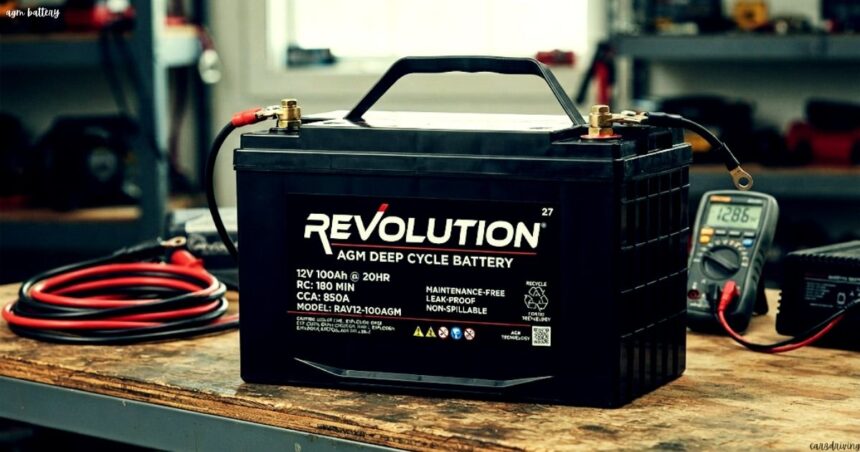
Picking the right car battery feels confusing when you look at hundreds of batteries sitting on a shop shelf, and this guide breaks the confusion down in plain words. AGM battery use Absorbent Glass Mat technology to give modern vehicles with higher energy demands the strong starting power and excellent electrical stability they need every morning.
Drivers with advanced electronics, stop start systems, performance engines, or frequent short trips often notice these batteries offer reliable performance, fast recovery, and low self-discharge, which keeps electrical performance steady even after the engine sits idle for days.
I have swapped a conventional battery for an AGM unit in my own car, and the difference in strong resistance to vibration and the smoother consistent voltage surprised me the first winter.
These batteries handle deep cycling far better than standard lead acid types, which explains why premium vehicles and heavy-use cars lean on them for long-term reliability and long service life. The strong cranking capability and dependable power hold up even when a car carries extra onboard equipment that pulls high electrical loads all day long.
Whether you are upgrading from one of many standard car batteries on the market, replacing an existing AGM unit, or simply choosing your first one for a new vehicle, getting the correct size and specification right decides how much optimal performance and durability you actually get.
Advantages of Switching to AGM Batteries
A trip of under 10 km, or an annual mileage below 10,000 km, does not give the alternator enough time to bring a battery back to full State of Charge (SOC), and every short trips habit like this makes the next start a little harder.
On a seasonal basis, a conventional starter battery left through unfavorable conditions at a fixed storage location can discharge prematurely, especially without a battery charger to recharge it and hold charge between drives.
AGM batteries resists this because its electrolyte sits locked inside a separator, so layering in the electrolytes and the slow sulfurization that follows just do not build up the same way, which makes it far easier to bring the battery back after long standstill times.
Extreme external temperatures, from harsh heat to biting cold, push a wet battery toward discharging faster than it can recover, dropping its capacity quickly, while AGM batteries keeps its power reserves steady through these swings.
Cars carrying a sound system or other non-standard electrical devices with heavy power consumption pull more current than a flooded battery can comfortably give, and this is where the energy efficient design with a lower rate of self-discharge earns its keep.
The sealed design also brings real day-to-day comfort: it is maintenance free, so no top ups of electrolyte are needed, and it is less prone to spills, leaking, or spilling, even if the battery gets tipped over on a rough drive.
Because everything sits sealed inside, the battery shrugs off shock and stays resilient against vibrations you feel over rough road surfaces, potholes, and speedbumps, giving genuine vibration resistance that a standard unit cannot match.
This build also allows deep cycle capabilities, so the battery accepts repeated discharging and recharging cycles and recharging capabilities without wearing out, which suits start-stop engines that switch off and restart constantly in traffic.
Booking a battery health check now and then keeps all of this in check, so a conventional starter battery replacement never catches you by surprise.
Are AGM Batteries Worthwhile Without Automatic Start-Stop Technology?
Even a car without start-stop technology can still benefit from an AGM batteries high performance, because the larger power reserves support conventional vehicles just as well, often adding a longer service life to the whole electrical system.
Encapsulated AGM batteries are built leak-proof and maintenance free, since the electrolyte stays locked inside an absorbent separator made from tiny glass fibers instead of sloshing around freely.
Even if the battery gets damaged, no battery acid can escape, which protects the bodywork from rust and keeps adjacent components safe from subsequent damage.
AGM Batteries The First Choice for Light Commercial Vehicles
Fleets built for commercial use often push vehicles through multiple shift operation, and this is exactly where AGM batteries handles the higher loads better than a normal starter battery.
Urban trucks fitted with electrically powered components and special equipment quickly wear down a conventional starter battery, since deterioration and decomposition of the active material chip away at its capacity, and a regular battery soon hits its limits. Thanks to a special design of the cells and a special mixture in the active material, AGM batteries survives more charging cycles and keeps commercial operation running.
Urban deliveries and taxis spend most of their day on short journeys through every kind of weather, yet the battery still needs to start the engine reliably every single time.
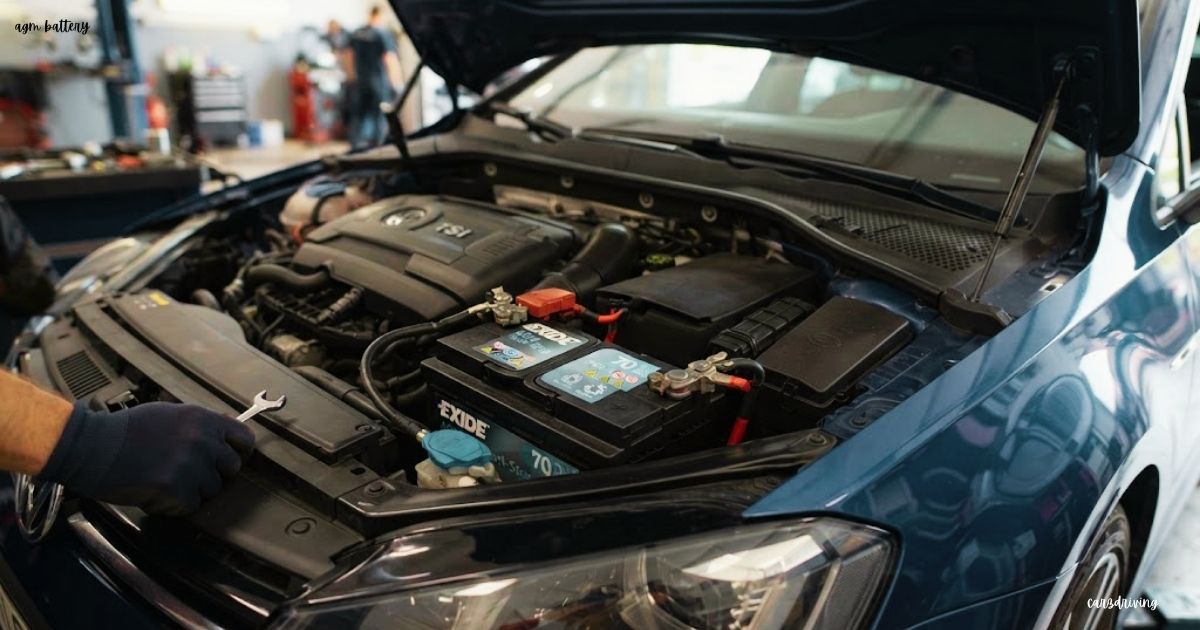
Automatic Start-Stop Systems
Cars fitted with simple start-stop systems that skip recovery of braking energy, known as recuperation, usually rely on an EFB battery to get by.
Even here, a replacement with AGM batteries pays off, because the start-stop technology then runs reliably without malfunctions and holds up over a longer service life. AGM batteries also bring a genuinely high load capacity and stronger charge acceptance than an EFB battery ever manages across its lifetime.
Upgrade Quick-Check
Before you decide on an upgrade, ask a few honest questions about how the car actually gets used. Does it carry extensive electronic equipment or any retrofitted electronic devices fitted after the original sale?
Are mobile phones charged inside it often, do short distances and traffic queues make up most of the driving, and do trips happen in extreme weather conditions? If the answers lean toward yes, the longer service life and long-term benefit of AGM batteries make it worth the switch.
Did You Know?
Start-stop technology paired with an EFB battery only switches off the engine in about 39% of situations compared with AGM batteries doing the same job. The combination of a powerful, dependable AGM batteries and a start-stop system turns out to be genuinely economical over time.
What Is an AGM Battery?
AGM stands for Absorbed Glass Mat, and this design counts as a sealed lead acid battery, sitting alongside other types like Gel Cell and Valve Regulated Lead Acid Batteries. Its job stays simple: store energy and release electrical energy exactly when a vehicle needs it. You will find this battery type working hard in Cars, Vans, Campervans, Motorhomes, and Motorbikes alike.
How Do AGM Batteries Work?
The whole process breaks down into three steps. Inside, two lead plates carry a positive charge and a negative charge, sitting in an electrolyte made from sulfuric acid mixed with water.
Once the battery connects to a circuit, such as a starting generator, a chemical reaction between the plates and the acid releases electrons and builds an electrical current strong enough to start the car.
Recharging simply applies an external current that reverses this chemical reaction, so energy gets stored again and waits ready for the next drive.
Price of AGM Batteries
Thanks to their superior performance, an AGM battery usually costs more upfront than a standard flooded battery, and this extra cost can feel expensive at the till.
Over the long run, though, the AGM option tends to pay for itself economically through fewer replacements and less trouble. Anyone working with a tight budget may still find a standard flooded battery the more practical short-term pick.
FAQs
Does an AGM battery need any maintenance?
No it is maintenance free, leak-proof, and sealed, so no top ups of electrolyte are ever needed.
Why do commercial vehicles prefer AGM batteries?
Because they handle multiple shift operation, higher loads, and more charging cycles than a normal starter battery without wearing down.
Is an AGM battery better with start-stop systems?
Yes, it gives far stronger charge acceptance and high load capacity, so the start-stop technology runs reliably without malfunctions.
What happens if an AGM battery gets damaged?
Even if damaged, no battery acid can leak out, protecting the bodywork from rust and preventing subsequent damage to nearby parts.
Are AGM batteries more expensive than standard batteries?
They cost more upfront, but their superior performance and long-term reliability make them the smarter, more economical choice in the long run.