
What separates a mild hybrid from a full hybrid or a plug-in hybrid. The automotive technology behind today’s cars has moved fast, and keeping up with terms like MHEV, HEV, and PHEV can feel overwhelming.
At its core, any car that pairs an electric motor with a petrol engine or diesel engine qualifies as a hybrid car, but the differences between each type genuinely matter when you’re making a buying decision.
The evolving landscape of modern motoring means buyers now face a genuinely exciting set of choices. A MHEV uses an internal combustion engine paired with a small electric motor to cut emissions and improve fuel efficiency, all without ever needing a charging point.
Whether your priority is fuel economy, reducing your CO2 output, or simply finding the right fit for your lifestyle and budget, understanding how each type works puts you firmly in control.
What really separates these systems comes down to how much the battery and electric motor contribute to the drive.
Plug-in hybrids rely on regenerative braking and external charging, full hybrids self-charge while driving, and mild hybrids use electrical assistance to support the ICE without ever replacing it.
What is a Mild Hybrid Car (MHEV)?
A MHEV works by combining a combustion engine, either petrol or diesel, with a compact electric motor and a battery that runs on a 48-volt electrical system.
Unlike a plug-in hybrid that needs manual charging, the MHEV charges itself on the move, which makes it a brilliantly low-effort way to cut fuel consumption and CO2 emissions without changing how you refuel.
I remember test-driving one for the first time and being genuinely surprised at how seamlessly the electric assistance blended into the driving experience.
The electric motor in an MHEV never replaces the ICE instead, it steps in during acceleration to reduce strain, eliminates turbo lag, and manages the stop/start system every time you pull up at traffic lights.
It also recovers power through regenerative braking, converting motion that would otherwise be wasted into stored electrical energy that feeds back into the battery. This constant cycle of energy recovery is what gives the mild hybrid its edge in everyday efficiency, especially on routes full of junctions and roundabouts.
Compared to a full hybrid or HEV, the MHEV offers gentle electrical assistance rather than the ability to run on electricity alone.
There’s no external charging required, the traditional engine remains the primary source of drive, and the whole system operates in the background delivering emissions reduction, better fuel economy, and a noticeable improvement in power delivery without demanding anything extra from the driver.
For anyone curious about internal combustion engine vehicles that carry a genuine eco edge, the MHEV hits a sweet spot most people don’t expect.
How Do MHEVs Work?
Understanding the difference between an MHEV and a PHEV starts with one simple fact a MH cannot run solely on electric power, and it was never designed to.
The electric motor works hand in hand with the petrol engine or diesel engine, stepping in during acceleration to deliver assistance exactly where the internal combustion engine works hardest.
This partnership between combustion and electricity is what gives the hybrid system its real-world advantage on everyday roads.
What makes the system genuinely clever is regenerative braking every time you lift off the throttle or press the brake pedal, the car harvests the energy produced during deceleration and stores it in the battery.
That stored energy then powers the electric motor the next time assistance is needed, creating a self-sustaining loop that improves fuel economy without ever requiring plug-in charging.
The entire process of energy recovery happens silently in the background, and as a driver you simply notice a smoother drive and a fuel gauge that drops more slowly than you’d expect.
The beauty of this seamless operation is that it demands nothing from you as a driver no modes to switch, no cables to plug in, no routines to change. The MHEV reads driving conditions in real time and deploys power assistance from the electrical energy reserves precisely when it’s most effective.
For anyone moving from a conventional car, this invisible layer of efficiency makes the mild hybrid feel like a completely natural and effortless upgrade.
Benefits / Pros and Cons of (MHEV)
One of the strongest arguments for choosing an MHEV is how it reduces CO2 emissions and improves fuel efficiency without asking anything extra from the driver.
The combination of an internal combustion engine and electric motor working together means the ICE never has to work as hard, which cuts running costs over time and reduces the vehicle’s overall environmental impact.
For drivers who want to move toward something more eco-friendly without committing to a full EV stepping stone, the MH makes the transition genuinely painless.
The battery recharges constantly through regenerative braking, so there’s absolutely no external charging needed, which removes one of the biggest hesitations people have about electrified vehicles.
This also means enhanced performance during everyday driving the electric motor delivers an extra layer of power during stop/start situations, smoothing out the experience and reducing engine stress at the moments it matters most.
The result is a smoother driving experience that feels more refined than a conventional petrol or diesel car without the complexity of a full hybrid or plug-in hybrid.
However, it’s fair to say that MHEVs don’t deliver the dramatic savings you’d see from a full hybrid the system isn’t designed to run on all-electric power, so the fuel savings, while real, are more modest. Insurance costs can also sit slightly above those of a standard ICE vehicle, and the system requires the same regular servicing and care as any traditional car.
That said, for drivers who value affordability, seamless transition, and a foot in the door of hybrid technology without overhauling their driving habits, the MH remains a genuinely strong choice that punches well above its price.
What is a Full Hybrid Car (HEV)?
A full hybrid or HEV takes the concept of electrified driving a meaningful step further by pairing a petrol engine or diesel engine with an electric motor capable of powering the car entirely on its own for short distances.
Unlike the MHEV, where the electric system purely assists, the HEV gives you genuine electric-only mode operation, which proves especially useful in slow urban driving and heavy stop-and-go traffic.
The system handles automatic switching between combustion, electric, and combined power entirely on its own, meaning the driver simply focuses on the road.
Fuel economy improves significantly with a full hybrid because the battery and electric motor carry much of the workload during lower-speed driving, reducing the strain on the combustion engine and cutting CO2 output in the process.
Regenerative braking feeds energy back into the battery continuously, supporting energy efficiency across a full range of driving conditions, and the system requires no charging point at any stage.
This self-sufficient approach to power optimization makes the HEV an excellent option for drivers who want lower emissions and reduced fuel consumption without the commitment of managing charge at home.
The trade-off compared to a plug-in hybrid is that the electric-only range typically covers just a couple of miles, which limits the fuel savings on longer motorway journeys where the ICE does most of the work.
There’s also the matter of cost full hybrids tend to sit at a higher price point than equivalent MHEV models, and battery deterioration over time is a factor worth considering alongside slightly elevated insurance and repairs costs.
But for drivers who want meaningful emissions reductions and genuine all-electric power capability without ever needing a cable, the HEV represents a highly capable and well-rounded choice.
What is a Plug-in Hybrid Car (PHEV)?
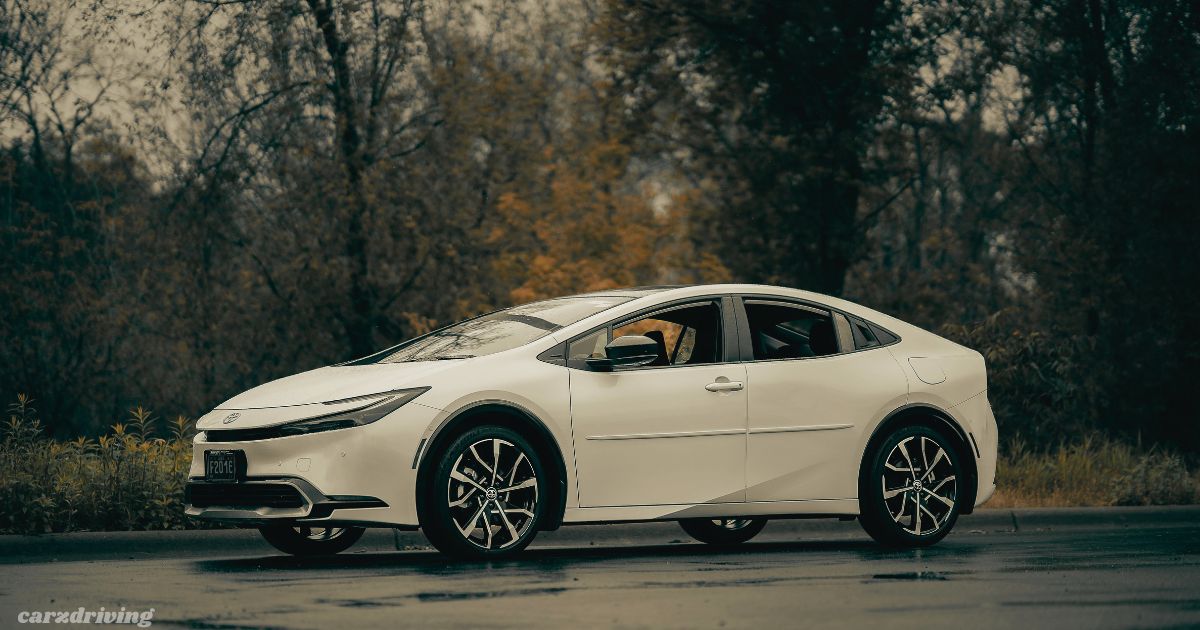
The plug-in hybrid or PHEV sits at the top of the hybrid hierarchy, combining a petrol engine or diesel engine with a larger electric motor and a far more substantial battery that you recharge at a charging point.
Unlike a full hybrid or mild hybrid, the PHEV doesn’t rely solely on regenerative braking to top up its charge instead, you connect it to a household plug, a wall charger, or a public charging point depending on where you are.
This flexibility in charging is exactly what allows the PHEV to offer a genuinely usable all-electric range stretching anywhere from 20 to over 90 miles on electric power alone.
That extended all-electric range transforms how you use the car day to day short urban driving commutes, school runs, and town center trips can all happen on electric power alone, slashing running costs and cutting emissions dramatically compared to a conventional ICE vehicle.
When the battery does run low, the petrol engine or diesel engine takes over seamlessly, eliminating range anxiety and making the PHEV an ideal stepping stone toward full EV transition.
Many models also feature multiple motors, generating impressive levels of power and acceleration that make them genuinely exciting to drive alongside their efficiency credentials.
The flip side is that PHEVs carry a heavy battery that adds weight to the vehicle, which can blunt efficiency on longer runs when the electric motor isn’t contributing.
The upfront cost tends to be higher than both mild hybrid and full hybrid equivalents, and without a proper home charging setup, you lose much of the real-world fuel efficiency advantage.
However, for drivers who have access to charging, want low emissions, and aren’t ready to go fully electric, the PHEV offers the most compelling and complete blend of affordability, convenience, and forward-thinking motor technology available today.
Which Type of Hybrid Car is Best for Me?
Choosing between a mild hybrid, full hybrid, and plug-in hybrid comes down to honestly assessing your driving habits, your budget, and what level of fuel efficiency matters most to you on a daily basis.
If you spend most of your time on motorways and want a car that’s simply more economical than your current petrol or diesel without any lifestyle changes, the MHEV is a clean, cost-effective answer that fits naturally into your existing routine.
The electric motor works quietly in the background, and you’ll notice the improvement in fuel economy without ever thinking about a charging solution.
For drivers who navigate a lot of urban driving and stop-and-go traffic, the HEV earns its keep by running on electric-only power through the slowest parts of your journey, genuinely reducing carbon footprint and keeping running costs lower over time.
The lack of any at-home charging requirement makes it a practical upgrade that delivers on its eco-friendly promise without tying you to a cable.
The battery and electric motor combination also tends to make HEV models noticeably smoother and quieter than straight ICE alternatives, which elevates the daily driving experience in ways that are hard to put a number on.
If you have a home charging setup and want to make the biggest dent in your emissions, the PHEV is the obvious choice with up to 90-plus miles of electric power available, most daily commutes happen for free and road tax benefits add up quickly.
The higher initial cost is real, but the long-term fuel savings, lower CO2 output, and the fact that range anxiety simply isn’t a factor make it the most forward-thinking purchase of the three.
Whether you’re drawn to the simplicity of the MHEV, the balance of the HEV, or the ambition of the PHEV, all three push you toward lower emissions, smarter performance, and a more considered relationship with lifestyle and affordability on the road ahead.
Fuel Consumption and Efficiency (Mild vs Full Hybrid)
When you put a MH and a full hybrid side by side on the same route, the difference in fuel consumption tells a clear story about how each system prioritizes fuel economy.
The MHEV typically delivers around a 10-15% improvement over traditional vehicles, which is a real and meaningful gain, but it pales slightly against what a well-calibrated HEV achieves in heavy urban driving conditions.
In those low-speed, high-frequency stop-and-go traffic environments, the full hybrid’s ability to switch entirely to electric power creates savings at the pump that the MHEV simply can’t match.
That said, energy efficiency for both systems relies heavily on driving conditions on open roads and motorway runs, the gap between MHEV and HEV narrows considerably, because neither system can deploy much electric power at sustained higher speeds.
Both rely on the battery and regenerative braking to recover what they can, and both reduce CO2 and overall emissions compared to a straight ICE vehicle, which is a win regardless of which you choose.
The running costs over a full year of driving tend to reflect these real-world patterns, with HEV owners seeing stronger petrol savings in cities and MHEV owners benefiting more on mixed routes.
Understanding your own performance needs and typical journey profile is the single most useful thing you can do before choosing between these two technologies.
If your daily drive is dominated by urban driving with frequent stops, the full hybrid’s engine efficiency and electric capability will consistently outperform.
But if you cover varied ground and simply want a cleaner, more efficient version of a conventional car, the MHEV delivers exactly that consistent, dependable fuel economy improvement without any added complexity.
The Best Mild Hybrid Cars Currently Available
The range of cars wearing MHEV technology has grown impressively, stretching from compact hatchbacks all the way up to spacious SUVs that cover every kind of driving experience a modern family needs.
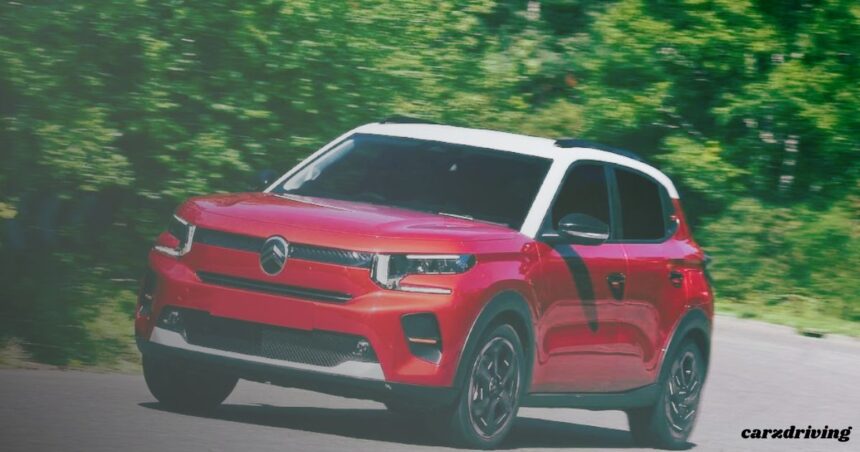
The Fiat Grande Panda stands out as a genuinely practical city car that brings a refined, smooth driving character and generous standard tech to a segment that often feels short-changed on features. It punches well above its size, and its MH technology makes it one of the most efficient small cars in its class without sacrificing an ounce of charm.
The Citroën C3 Aircross is a strong pick for anyone chasing budget-friendly motoring with real family practicality, offering a relaxed ride, a genuinely spacious cabin, and the kind of affordable running costs that make weekly fuel stops feel far less painful.
Sitting further up the range, the Ford Puma has earned its place as one of Britain’s best-selling cars in the British market through a combination of sharp fuel efficiency, engaging driving experience, and a price point that makes MH ownership accessible to a wide audience.
For those who want something bigger and more statement-making, the Peugeot 5008 delivers all-round capabilities in a comfortable, smart design package that proves large SUVs and genuine efficiency can absolutely coexist.
What unites all four of these popular models is that none of them ask you to compromise on what you love about driving to get the benefits of MHEV technology.
The smooth driving, the everyday practicality, the standard tech, and the reduced fuel efficiency costs are all there as standard, sitting quietly alongside a system that simply makes the car better without drawing attention to itself.
For anyone stepping into the MH world for the first time, these four models represent some of the most well-rounded, real-world capable choices currently available in the market.
Exterior Design
One of the first things people notice or more accurately, don’t notice about a MH is that it looks exactly like the non-hybrid version of the same car. There are no dramatic styling elements to announce the technology under the bonnet, which appeals strongly to buyers who want the efficiency gains without broadcasting their eco-friendly credentials to every car park.
This subtle approach to visual differentiation is a deliberate consumer preference decision, and it works most MHEV buyers appreciate that their car simply looks like a well-designed traditional model.
Some full hybrid or HEV models do introduce small touches like hybrid badges on the bodywork or a slightly revised grille design to signal the car’s electrified nature, but even these are restrained by modern automotive technology standards.
The overall aesthetic across both MHEV and HEV vehicles stays close to their petrol and diesel counterparts, maintaining the conventional look that many buyers still prefer when making a practical purchase decision.
From a exterior design standpoint, choosing a MH or full hybrid over a standard car involves absolutely no visual compromise whatsoever.
The lack of bold exterior design changes also means that MH and full hybrid vehicles integrate naturally into the existing model ranges of almost every mainstream manufacturer, making the MHEV and HEV options feel like an upgrade rather than a departure.
Whether you’re drawn to a compact hatchback, a practical SUV, or something in between, the MH variant sits within that same familiar shape, offering all the eco-friendly technology benefits with none of the aesthetic disruption.
For many buyers, that invisibility is actually one of the strongest selling points the MHEV has to offer
Interior Design
Step inside a MHEV and the interior design tells the same story as the exterior familiar, considered, and almost indistinguishable from the standard non-hybrid equivalent in most practical respects.
The most common addition you’ll find is a revised instrument cluster that displays energy flow data and battery status, giving you a real-time window into how the MHEV system is performing without cluttering the dashboard with unnecessary complexity.
For most drivers, this becomes a quietly satisfying part of the ownership experience watching the system harvest energy and deploy it adds a layer of engagement to journeys that would otherwise feel completely routine.
Full hybrid or HEV interiors tend to go a step further with more comprehensive displays that offer detailed real-time information on energy usage, battery charge levels, and the balance between combustion and electric contributions at any given moment.
This level of driver information appeals strongly to people who enjoy monitoring their vehicle’s hybrid performance and actively adapting their driving style to maximize efficiency.
The standard layout of most cabins remains intact, which means transitioning from a conventional car to a full hybrid requires no learning curve beyond familiarizing yourself with these additional readouts.
What the interior of both MHEV and HEV vehicles communicates above all else is that MH and full hybrid technology has matured to the point where it enhances rather than complicates the daily experience.
The battery status and energy flow data feel like useful additions rather than intrusive novelties, and the overall cabin quality in most modern hybrid models reflects the premium positioning these cars now occupy across the market.
Whether you prioritize driver information depth or simply want a clean, familiar space to sit in, both systems deliver interiors that serve the driver rather than demanding anything extra from them.
Engine and Performance
The engine and performance story for a MH starts with a fundamental truth the electric motor is there to make the combustion engine better, not to replace it.
During acceleration, the motor delivers instant power assistance that takes the edge off the ICE’s workload, improving engine responsiveness and making the car feel noticeably more alert from low speeds.
The system also enables smoother quick restart after engine shutdown during coasting, which is one of those small but genuinely satisfying details that makes the MHEV feel more refined than a standard petrol or diesel alternative.
A full hybrid or HEV takes this a significant step further by enabling genuine electric-only mode operation for short distances, typically up to around two miles in real-world urban driving conditions.
This capability makes a meaningful difference in slow stop-and-go traffic, where the combustion engine can rest entirely and the electric motor handles progress quietly and efficiently. The seamless switching between petrol power and electric drive is something that genuinely impresses first-time full hybrid drivers there’s no jolt, no hesitation, just a smooth and continuous delivery of performance that adapts intelligently to whatever the road demands.
Across both MHEV and HEV platforms, the result is performance optimization that makes everyday driving noticeably more satisfying.
The MHEV eliminates turbo lag, sharpens throttle response, and reduces mechanical stress on the engine during the moments it works hardest, while the HEV adds the dimension of electric-only capability for genuinely emissions-free progress in the right conditions.
For drivers who care about how a car feels to drive as much as how efficiently it does so, both systems offer a compelling and well-engineered answer that goes well beyond simply bolting a battery onto a traditional engine.
Price
Price is often the first practical question that comes up when buyers start comparing MH and full hybrid options, and the honest answer is that the MHEV consistently comes out as the more affordable entry point into electrified motoring.
In the UK market, MH variants typically start at a lower price than equivalent HEV models, reflecting the relative simplicity of the MHEV system compared to the more advanced technology packed into a full hybrid drivetrain.
For budget-conscious buyers who want the benefits of electrification without a significant premium, this cost difference makes the MH a very compelling starting point.
The higher upfront initial investment required for a full hybrid does come with a genuine long-term case reduced running costs, lower road tax due to reduced emissions, and better overall fuel savings on the right type of route all contribute to a cost-effective equation over several years of ownership.
Whether that equation tips in your favor depends largely on your annual mileage and how much of that mileage falls in conditions where the HEV system can deploy electric power effectively. In straightforward terms, the more urban your driving, the stronger the full hybrid’s long-term savings case becomes relative to its higher purchase price.
What both options share is a consumer choice that goes beyond raw numbers the decision to move into hybrid territory, regardless of whether you choose MHEV or HEV, reflects a shift in priorities that the market is increasingly rewarding.
Petrol and diesel running costs continue to fluctuate, but the capabilities of both hybrid systems help insulate owners from the worst of those swings. When you frame the price conversation around the full picture purchase cost, fuel savings, tax benefits, and running costs over three to five years the gap between MH and full hybrid narrows considerably, and the case for either becomes genuinely strong.
Driving Experience
The driving experience inside a MH is one of its most underrated selling points it feels almost identical to a conventional car, but with a layer of polish that you notice immediately and appreciate more over time.
During acceleration, the electric motor steps in to deliver a subtle but real performance boost that makes the car feel keener and more responsive than its engine size alone would suggest.
The overall character remains close to a conventional car, which is exactly what most MHEV buyers are looking for improvement without disruption.
Climb into a full hybrid or HEV and the driving experience takes a step toward something more distinctly refined, particularly when the car slips into electric mode and the combustion engine goes quiet.
The quiet operation in electric drive is genuinely striking the first time you experience it the absence of engine noise at low speeds creates a sense of calm that transforms how urban driving feels from behind the wheel.
The seamless transition between power sources is handled so smoothly by modern HEV systems that most passengers won’t even notice the shift, which speaks to how mature this technology has become.
Both MHEV and HEV vehicles deliver a smooth and comfortable journey in daily use, with the key distinction being depth of experience rather than fundamental character.
The electric motor in either system adds a quality to acceleration that pure ICE cars simply don’t have, and the reduction in noise at lower speeds is a consistent theme across positive owner feedback.
Whether your priority is the understated confidence of the MH or the more immersive quietness of the full hybrid, both deliver a fuel efficiency focused driving experience that genuinely makes you look forward to getting behind the wheel.
Are Hybrid Cars Worth It?
From personal experience, the moment you start tracking your fuel spend after switching to a hybrid car whether that’s a mild hybrid, full hybrid, or plug-in hybrid the value becomes immediately obvious.
The combination of reduced emissions, lower fuel economy costs, and the quiet confidence of knowing your petrol or diesel engine isn’t working alone adds up to a genuinely better ownership experience.
And when you factor in that PHEV, HEV, and MHEV technology is now available across almost every segment, from small city cars to large SUVs and practical runarounds, the excuse to hold off is getting harder to justify.
The PHEV models do skew toward larger vehicles, which means if you’re after a nimble city runaround, a MHEV or HEV will serve your driving needs better without the added bulk of a large battery.
That said, even the smallest MH makes a meaningful contribution to your greener footprint, reducing your carbon footprint and your contribution to urban emissions every single day without requiring any changes to how you use the car.
The technology adoption curve for hybrids has been swift, and availability is no longer a barrier these cars are everywhere, well-supported, and increasingly the default choice across showrooms.
Whether the numbers stack up depends on your individual circumstances, but from an environmental impact and running costs perspective, the argument for going hybrid over a straight ICE vehicle has never been stronger.
The power and performance improvements are real, the eco-friendly credentials are genuine, and the lifestyle fit is easier than most people anticipate. In short, hybrid cars are absolutely worth it the technology is mature, the savings are real, and the only question left is which type suits you best.
Are Hybrid Cars Reliable?
Hybrid car reliability is something people worry about more than they need to, and the evidence consistently shows that modern hybrids are at least as dependable as conventional ICE vehicles when proper servicing and maintenance schedules are followed.
Manufacturers invest heavily in rigorous testing before any hybrid system reaches the market, and the battery technology in today’s cars is far more robust than early sceptics predicted retaining charge well and proving itself across hundreds of thousands of miles in real-world use.
Long warranty coverage on hybrid components from most major manufacturers adds another layer of reassurance for buyers concerned about long-term powertrain costs.
One of the genuinely unexpected benefits of owning a hybrid is what the electric motor does for your brakes because regenerative braking uses the motor to convert momentum into electrical energy, the physical brake components experience far less wear than on a conventional car.
The result is improved brake longevity and lower servicing bills over the lifespan of the vehicle, which adds up meaningfully over several years of ownership.
For MHEV owners specifically, the electric assist during acceleration and start/stop management at traffic lights reduces the thermal and mechanical stress on the engine, contributing to better engine efficiency and a longer overall vehicle condition life.
The braking system, engine stress management, and battery robustness in modern hybrids all point toward a traditional vehicle that simply lasts longer and costs less to keep in good shape.
Battery charge retention remains high for well-maintained cars, and the combination of reduced ICE strain and smarter energy recovery means fewer unexpected repair bills over time.
In the hands of an informed owner who respects the servicing schedule, a modern hybrid car whether MHEV, HEV, or PHEV is a genuinely reliable, long-lasting, and increasingly cost-effective choice.
Customer Reviews and Ratings
Real-world customer feedback on mild hybrid and MHE vehicles consistently highlights the same strengths improved fuel economy, noticeably smooth engine operation, and a driving character that feels more refined than the equivalent straight petrol or diesel alternative.
Most owners describe the transition as seamless, with the MHEV system operating so quietly in the background that the driving experience simply feels better without any obvious explanation for why.
The main area where consumer feedback introduces nuance is around the scale of savings MH owners often acknowledge that the efficiency gains, while real, don’t match the more dramatic figures reported by full hybrid or plug-in hybrid drivers.
FAQs of Mild Hybrid
Are mild hybrid cars cheaper to insure?
Mild hybrids are marginally cheaper to insure than full hybrids, but premiums still run slightly higher than conventional petrol or diesel vehicles due to their complex electrical components.
Is a mild hybrid worth buying?
If you crave better fuel efficiency, smoother acceleration, and reduced emissions without the anxiety of charging stations, a mild hybrid is a quietly smart everyday choice.
What does “mild hybrid” mean?
A mild hybrid uses a small 48V battery and integrated starter-generator (ISG) to assist the combustion engine it cannot run on electric power alone, unlike a full hybrid.
What are the disadvantages of a mild hybrid car?
The key downsides are no pure EV mode, limited fuel savings compared to self-charging hybrids, and higher upfront cost over traditional internal combustion engine (ICE) vehicles.
Which is better mild hybrid or hybrid?
A full hybrid (HEV) wins on fuel economy and electric-only driving, but a mild hybrid MHEV is lighter, less complex, and often more affordable the right pick depends on your daily commute and budget.