

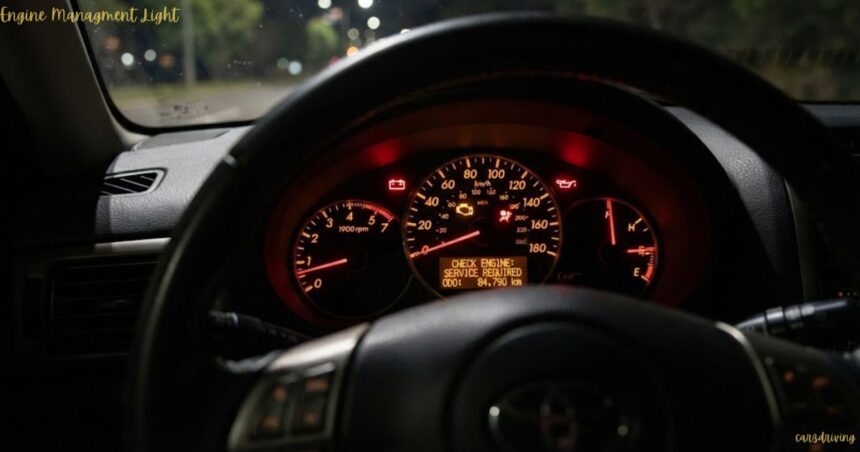
I still remember the first time my engine management light lit up on a cold morning, and I had no clue what it meant. A mechanic later explained that the illuminated dashboard symbol was my car’s way of warning me about a problem before it turned into a full break down. That single guide he gave me changed how I look at every dashboard light since.
People call it the check engine light, the engine warning light, or simply the EML, but they all point to trouble inside your vehicle’s engine. Sometimes it flags a serious fault, and sometimes it works alongside other dashboard warning lights to tell a bigger story. Whatever the case, you should never ignore it, because doing so risks an MOT failure down the road.
This piece breaks down real causes and real solutions so you don’t get caught off guard like I did. Your car deserves attention the moment something feels off. Understanding this light early can save you both money and stress.
What Does the Amber or Orange EML Mean?
When you start vehicle, you’ll notice the EML flash on your dashboard for a few seconds before it turns off that’s completely normal. This happens because your modern cars run on-board computers that constantly monitor how well the engine is performing. If everything checks out, the light will switch off on its own without any drama.
But if it stays lit or begins to blink, something needs your attention. A steady amber glow usually points to a minor issue, while a red or flashing EML signals something far more urgent involving your systems, fuel, or air intake. I always tell friends to treat this dashboard warning light the same way they’d treat a general warning from a doctor don’t brush it off just because it doesn’t hurt yet.
The light itself takes the shape of a universal symbol, an engine outline, so you can recognize it no matter what car you drive. It won’t tell you exactly what’s wrong, unlike a low coolant or check oil level message would.
Instead, it simply tells you that the emissions system or exhaust needs a look, and that’s why calling a mobile mechanic or heading to your local garage for repairs matters, since the severity can range from small to serious depending on what your car’s notifications and sensors are picking up.
Can I Drive with the Amber or Orange EML On?
Yes, you can technically continue to drive with the engine light glowing, and I’ve done it myself on a short trip home. However, I wouldn’t recommend pushing your luck, because a mechanic should look at the engine as soon as possible. Ignoring it for too long often leads to real damage across other surrounding systems in your car.
Things change quickly if the light starts flashing instead of staying solid. That usually means a serious issue is unfolding right under the hood. In that case, get inspected by a qualified professional right away instead of hoping the problem fixes itself.
What Do the Different Engine Management Lights Mean?
Not every light means the same thing, and learning the difference saved me from a panic attack once. An Amber EML is the mildest version it typically allows driving normal, though you should still visit a garage soon. The colour, whether solid or orange, gives you a rough idea of how urgent the situation really is.
A Flashing EML tells a different story entirely, often linked to an engine misfire that affects how the car handles. You might feel your car shake, or notice the engine sound different than usual. If this happens, get inspected immediately rather than waiting for the weekend.
The Red EML is the one that should stop you in your tracks it marks a very serious problem. If it appears, pull over at the nearest safe place and call your breakdown provider without delay. This is the least serious light’s complete opposite, and treating it casually simply isn’t worth the risk.
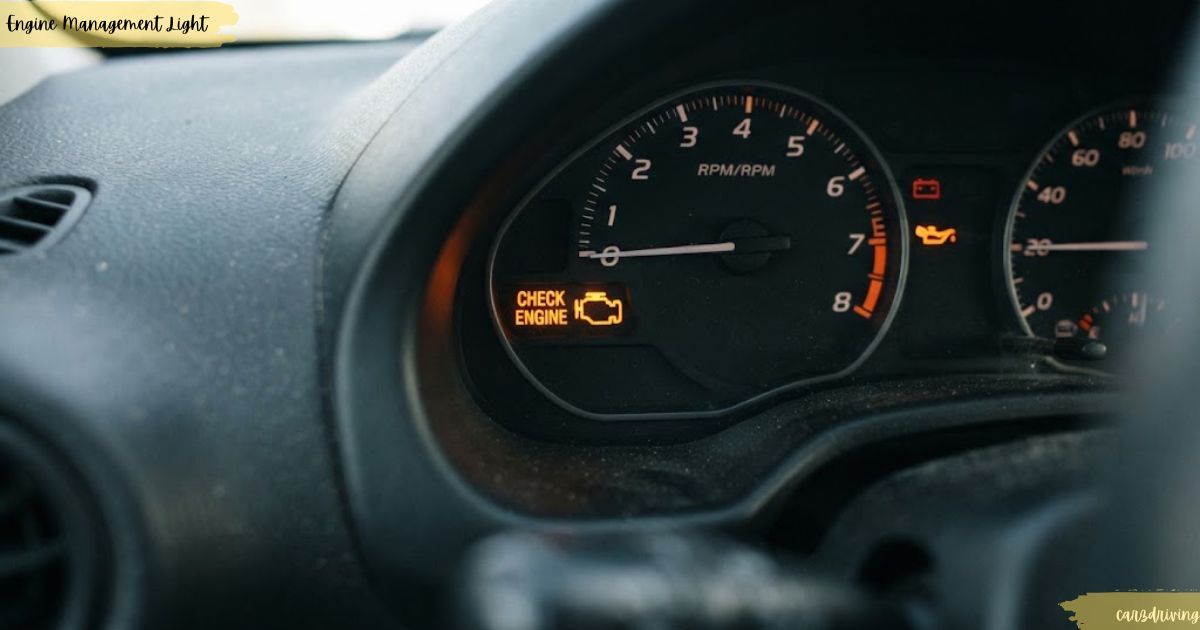
What Causes the EML to Come On?
Modern engines rely on dozens of small parts working together, and problems can start almost anywhere. Take the catalytic converter, for example a connection issue or built-up carbon deposits inside it can trigger the light fast.
Left alone, this can cause overheating, reduced fuel economy, and poor acceleration, eventually leading to a full breakdown.
Your ignition system is another common culprit, especially worn spark plugs or faulty ignition coils. These issues often trace back to the starter motor or wider electrical systems feeding the engine. If you skip repairs, you may struggle with starting vehicle altogether.
Your clutch can also be behind that stubborn light, particularly if it’s slipping or the gear system sensors are faulty. Watch for difficulty shifting gears, strange vibrations, or grinding noises whenever you depress clutch. Ignore these signs and you risk gearbox damage along with excess heat building up nearby.
An engine misfire is equally worth watching, since it can make the engine overheat or feel like a juddering engine. This often connects to head gasket leaks, and if left untreated, it leads straight to engine damage.
Faulty sensors scattered across the car, including oxygen sensors and the mass airflow sensor or MAF, can also confuse the system by misreading unburnt oxygen during burning fuel, which risks a bigger mechanical failure later.
Beyond these, plenty of smaller parts can flip the switch too. An EGR valve fault, a clogged diesel particulate filter or DPF, a struggling fuel injector, or issues with the AdBlue system all count among common triggers. Even something as simple as a loose fuel cap can cause vapour loss, where fuel evaporates and hurts your fuel efficiency while creating a safety risk.
A blocked fuel pump is another sneaky cause, often becoming clogged or dirty over time until it can even cut engine power at high speeds a job best left to a professional mechanic.
Meanwhile, a damaged catalytic converter deals with toxic carbon monoxide and nitrogen oxide gases, converting them into CO2, nitrogen, and water, but unburned fuel leaking or a leaky exhaust valve can break that process, making the car environmentally unsafe and repairs quite expensive once it needs to be serviced.
Lastly, a blocked diesel particulate filter struggles to trap soot and fails to regenerate properly, especially if you rarely drive above 40mph or keep your engine revs high enough. Cars fitted with this system usually carry a dedicated warning light alongside the EML to flag the fault clearly.
How To Reset the EML
In many cases, the light will reset itself naturally once the issue resolved underneath the hood. That’s because most modern vehicles carry an on-board computer built to constantly analyse the electrical systems and overall engine health. If nothing’s actually wrong anymore, it should simply turn off without you lifting a finger.
Sometimes, though, the light can remain on even after a repair, especially if the original fault lingers or a new fault appears elsewhere. Occasional glitches happen too, and turning engine on and off is sometimes enough to make it disappear. Still, if the root cause is a serious fault, expect it to reappear the next time you’re driving.
A simple fix, like tightening a loose fuel cap, might solve things after just restarting car, helping to resolve issues on its own. If it doesn’t switch off, you’ll likely need an OBD, or on-board diagnostics tool, plugged in at a dealer or garage. A trained professional or technician can then scan for error codes, which matters since more than one thing could be wrong at once, and while some drivers try disconnecting negative lead from the car’s battery, this shortcut can create other issues, so it’s best left to someone experienced.
Is An EMT an MOT Failure?
I learned this one the hard way yes, an active Engine Management Light counts as a major fault and guarantees an MOT failure. Testers treat it seriously because it usually means your car isn’t working as well as it should. There’s really no grey area once it’s flagged during testing.
That said, an older car or classic car might skip the EML inspection entirely during its MOT test, depending on its age and classification. Still, if the light remains on in any tested vehicle, expect it to be an instant MOT fail. It’s simply not worth gambling on, especially if your car is deemed unsafe to drive.
FAQs
Can I drive my car if the engine management light is on?
Yes, but only short distances to a safe location or garage, and you should avoid high speeds or heavy loads if the light is flashing.
What can cause an engine management light to come on?
Common causes include a loose or faulty fuel cap, failing oxygen sensors, a worn spark plug or ignition coil, a bad mass airflow sensor, or a clogged catalytic converter.
How to fix an engine management light?
You must plug an OBD-II scanner into the car’s diagnostic port to read the error codes, diagnose the root mechanical or electrical issue, repair it, and then clear the code.
What is the most common reason for the check engine light to come on?
A loose, damaged, or missing gas cap is the most frequent and easily fixable cause.
Does an older or classic car still need an engine management light check for MOT?
Not always, since an older car or classic car may skip the EML inspection during its MOT test.