

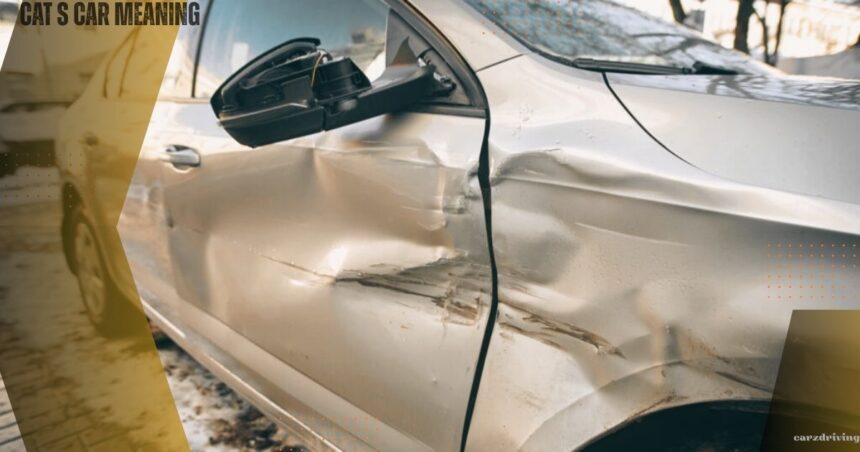
I still remember the first time a friend showed me his “new” car and casually mentioned it was Cat S that’s when I first went looking for the real cat s car meaning. My first thought was, wait, isn’t that a written-off car? Turns out there’s a lot more nuance to it than most people realise, and once you understand how the categories work, buying or insuring one of these cars stops feeling like a gamble.
What is Cat S Car Meaning?
In the UK, insurance companies use different car categories to describe how badly a vehicle has been damaged, and Cat S is one of these designations. Watching a friend go through this process taught me that a write-off category simply tells you how deep the damage goes, not whether the car is dangerous to drive.
Category S points to structural damage, meaning the chassis or frame lost its structural integrity, yet the vehicle is still considered repairable and can return to the road once fixed and made safe.
Alongside Cat S, you’ll also see Cat A, Cat B, and Cat N among the write-off categories, and understanding these write-offs helps buyers compare vehicles properly before choosing a repaired car.
Key Points About Cat S Cars
A Cat S car carries significant damage to its structural components, such as the chassis or suspension mounts, and this is why insurers class it under Structural Damage rather than cosmetic issues.
Because the insurance company decided the repair cost outweighed the vehicle value, the car got written off, yet it remains Repairable, and once repaired to a high standard it can return to the road. The quality of repairs decides everything about structural safety, vehicle performance, and Roadworthiness, so a well-fixed car can drive as safe as any other, provided the Safety checks are thorough.
How Do Insurance Write-Offs Work?
If fixing the vehicle isn’t financially viable, or if it can’t be made safe for the road again, it becomes a write-off. Most insurers treat it as an uneconomical repair once the damage costs sit somewhere between 50% and 70% of the car’s market value, and that’s usually the point where the vehicle gets written off.
Different Vehicle Write-Off Categories
Cat S covers structural damage to the chassis or frame, including the suspension, crumple zones, and door frames, while Cat N deals with non-structural damage like scrapes on the bodywork or faults in the electrics, steering wheel, and brakes, since this kind of harm is often more cosmetic.
Cat A vehicles are unsalvageable and must be crushed completely, whereas Cat B cars are also gone for good, though some car parts can be salvaged and reused before the body shell gets scrapped. Checking a car insurance group checker or car insurance group listing can help you see whether a car has been driven and repaired after damage before you buy it.
Cat S Car Doesn’t Need a New MOT
Your Cat S car doesn’t need a New MOT just because it carries a Cat S status, so an Existing MOT stays valid until it naturally expires. That said, after significant repairs, most owners choose to get a fresh MOT anyway, since it confirms the vehicle meets current roadworthiness standards. This extra step gives you peace of mind about safety, especially once the repairs are finished and the car is back in daily use.
Does Cat S Affect Insurance?
Cat S vehicles almost always affect your insurance, because insuring a car with this history usually costs more than covering normal vehicles or non-written-off vehicles.
Many insurance companies and insurance providers charge Higher Premiums, apply higher excess rates, or offer only Limited Coverage, so insurance premiums for a written-off vehicle can feel steep compared with a brand-new vehicle. You must always declare your Cat S status to your insurer as part of full Disclosure, since hiding it risks invalidation of your policy and problems with future claims.
Cat S car insurance exists for two main reasons: people who’ve bought back their own damaged car after an accident, and buyers who buy a car that’s already been repaired. This kind of insurance cover lets you keep driveing your repaired vehicle, and even though some insurers keep the limited coverage narrow, most people find it fair to say Cat S cars are generally more expensive to insure, so getting quotes from several insurance providers before committing is always worth it alongside the necessary repairs and paperwork.
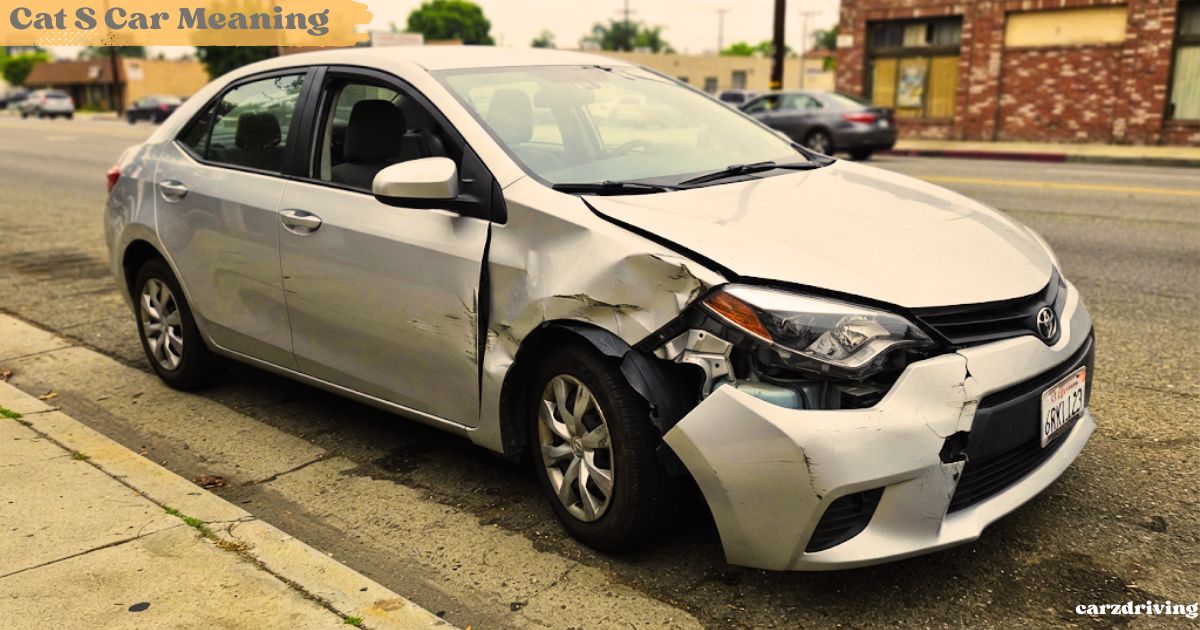
What Insurance Compensation Do You Get with Cat S Car?
It’s important to tell the DVLA about the write-off status, since staying quiet can bring a £1,000 fine, and they’ll issue a new V5C log book showing the change. Once repairs are done and you’ve arranged Cat S car insurance through one of the insurance providers, your total compensation effectively becomes the payout minus the buyback cost and the repair bill.
How Much Does Category S Devalue a Car?
A Category S vehicle typically suffers a noticeable market depreciation compared to an identical, undamaged model. Depending on the severity of the initial structural impairment and the standard of the restoration work performed, this financial hit generally ranges between 20% and 50%.
This kind of Depreciation happens partly because of the actual damage, and partly because of Market Perception, since many buyers see a certain stigma attached to any car once devalued this way. If you plan to sell later, expect the car’s value to stay lower than a standard model, no matter how well it drives.
Is a Category S Car Worth Buying?
Buying a Cat S vehicle brings both Cheap upfront costs and real trade-offs, so it helps to weigh the full picture before purchasing. On the plus side, Cat S cars are a genuinely budget-friendly option compared with an undamaged second-hand car of the same make and model, and if you have the expertise to judge previous damage properly, you might land a bargain or spot one of the Potential Bargains still on the market.
Buying cheaper and getting the car road-safe again can still work out more Economical than paying full price for non-written-off vehicles, which is exactly why many buyers don’t simply walk away the moment they discover a car’s history.
On the downside, the Cost of insuring a Cat S car can be higher, and some insurers flatly refuse to cover it at all, which is enough of a deterrent for people who’d rather avoid the Risk entirely. Resale Value tends to stay Low, since written-off cars carry their categories for lives, and this drop in resale value means you’ll likely sell for less later due to ongoing depreciation.
The quality of structural repairs can also vary a lot between sellers, and poor repairs may compromise safety, and if early fixes were rushed, structural damage that wasn’t handled properly can let new problems appear down the line as Future repair costs.
Repair Quality varies too, and if a seller can’t prove the car needs no further repairs, that’s often a bad sign, since a car that’s been written off can look fine but still hide issues that make it expensive to fix or insure.
In short, the designation doesn’t automatically make a car dangerous, but it does mean the cost of repairs, the Insurance, and the car’s overall safety depend heavily on how well it was repaired, so check everything before you commit to any vehicle with this history in its future.
Tips for Buying a Cat S Car
Before you commit to a Cat S Car, it helps to fully understand the cat s car meaning and always ask for its full Repair History, along with receipts and documentation from trusted repair shops, since real information proves the quality of the repair job was done right.
A vehicle history check from HPI or the AA will reveal any undeclared insurance write-offs, confirm whether the car was ever stolen, and let you check the registration certificate, also known as the V5C, to see if it’s properly marked.
Get a qualified mechanic or specialist to run an independent professional inspection, because for many insurers a Professional Inspection is non-negotiable before they’ll agree to insured cover at all, and this step confirms the structural repairs and structural damage were handled by a genuine professional.
Always ask the provider or insurance provider about coverage options, Insurance Implications, and premiums, and use the Cat S status to negotiate and Negotiate the Price, since Sellers should offer a discount or a lower price given the car’s past damage.
Once the Cat S vehicle is fully repaired, fixed, and made road-safe, you must Re-register it with the DVLA before driving it on public roads, and this step is required to get the repaired Cat S car properly insured.
Keep in mind that selling a Cat S car later can be challenging, so plan for a tougher Future Resale from the start, and remember that once Complete repairs are finished and inspected, an independent expert’s sign-off gives everyone, including a future buyer, confidence in the policy, the car, and its future on the road.
Never forget to declare the car’s past to your insurance company, keep a copy of every document, and if you ever decide to sell it, being upfront keeps everything safe and the repairs properly recorded for the next owner.
FAQs
What’s the difference between Cat S and Cat N?
Cat S means structural damage, while Cat N covers non-structural damage like cosmetic or electrical issues.
Can I insure a Cat S car easily?
Not always some insurance providers refuse cover, so it’s worth comparing insurers before you buy.
Do I need a vehicle history check before buying a Cat S car?
Absolutely a vehicle history check from HPI or the AA reveals undeclared insurance write-offs and past damage.
Will a Cat S car be hard to sell later?
Yes, resale value usually stays low, so be prepared for a tougher future sale.
Is it worth negotiating the price on a Cat S car?
Definitely use the Cat S status to negotiate, since sellers should offer a fair discount for the car’s history.