
I still remember my first walk into Knott End, this coastal village, tucked along the Southern end of Morecambe Bay, and I felt its unique charm straight away. Locals told me the name traces back to the Bronze Age, when Norse seafarers sailed in with knotted ropes, using knots for navigation and marking the knot end of the rope to measure distance.
That small detail turned into the story behind Knott End, a village with real history behind every corner.
Walking along the seafront, I found the promenade stretching toward the jetty, with the Fleetwood Pharos lighthouse visible across the river.
On a clear day you can spot Lake District peaks and even glimpse the tower near Blackpool, though this overlooked gem has its own quiet character. The hidden treasures here don’t shout for attention; they simply wait to be found.
Down by the quaint shops, there’s a butcher, a baker, and a hardware shop that still sells candlesticks, which always makes visitors smile.
I popped into the local fish shop during its regular hours, Tuesday to Friday, from 8 AM to 5 PM, though the owner Jamie joked that it’s open whenever he fancies it. That kind of easy-going customer relationship is what turns his shop into a real community hub.
He even told me he trusts people so much that if you forget your purse, he simply says bring it next time. The famed artist L.S. Lowry used to visit often during the 1950s and 1960s, drawn to this stretch of coast the same way I was. His fondness for the area still shapes how people picture this village today.
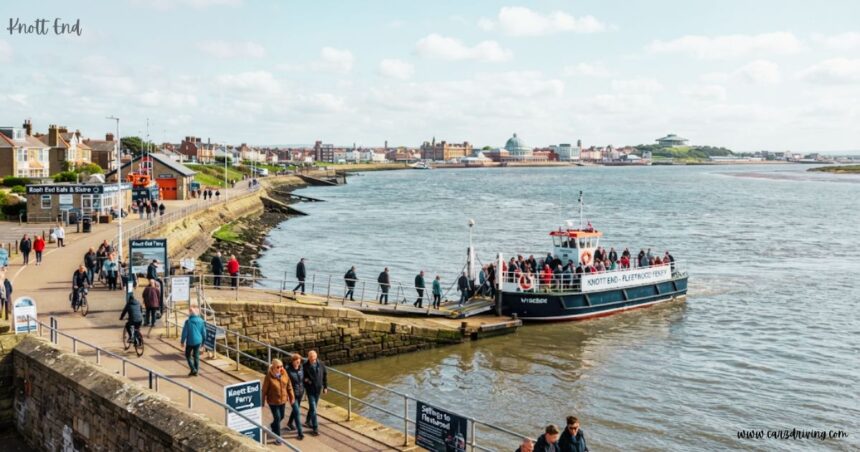
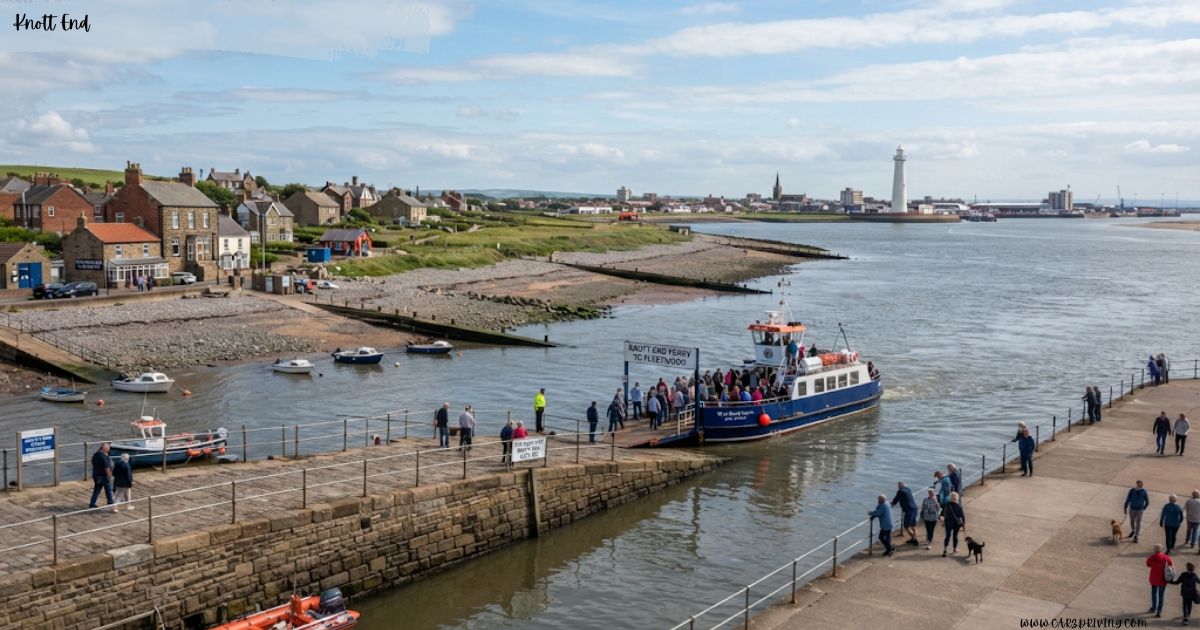
Getting here is easy by road, or you can take the ferry across the Wyre estuary, which links this side to Fleetwood in minutes.
Families often stop for a holiday near the sandy beach, especially those staying at Moss Wood Caravan Park, just a short trip from the shore. The wider area, known locally as Over Wyre, stretches toward the salt marshes and The Lakes in the distance.
The breathtaking views across River Wyre stay with you long after you leave, especially if you grew up nearby in Lancashire like I did. Every trip back reminds me why the beach and the water keep pulling people in. This little pocket of coast never stops surprising me.
Sculpture
Near the slipway, you’ll find a statue that stops almost every visitor in their tracks. It was raised in honour of a renowned artist who fell in love with this stretch of the Lancashire coast back in the 1950s, returning often through the 1960s.
Local memory even shortens those decades to the 40s and 50s, when he first arrived with sketchbook in hand.
That local artist was LS Lowry, sometimes written as L.S. Lowry, and his connection to this coastal town runs deep.
He drew endless inspiration from the water and the working boats, capturing it all in paintings such as The Jetty at Knott End. Even his dog made it into some of his sketches, trotting along beside him.
The tribute here, created by Tom Elliot, stands 5ft tall as a stainless steel statue right by the Ferry Slipway. It carries his legacy forward for every new generation walking past. I always stop for a photo, because this small memorial says more about the town’s spirit than any plaque could.
Plenty of Rich Pickings
Shopping here feels different from the big high streets, with independent shops, homeware, and gifts lining the way to the fresh fishmonger. Shoreway Fisheries sits on Wyre View, run by Jamie, a charismatic man who has served the community for 12 years.
He’s known among regular customers for his welcoming locals attitude and his talent for turning a quick chat into real warmth.
Jamie brings his catch in fresh from Fleetwood port, and he’s always happy to explain how to cook it properly at home. During mid-to-late summer, he even points customers toward samphire, a sea vegetable growing along the shoreline, calling it the asparagus of the sea for its salty flavour and iron. He suggests cooking it in butter, alongside scallops picked up from his own counter.
For food on the go, the village keeps things simple with food retailers offering supplies for a picnic by the water. Coastal Village Café and the other two cafés serve light bites and family favourites, alongside a proper cappuccino, latte, or smoothie. You’ll also find fish and chips and home-made ice cream sold right along the seafront.
For something heartier, The Bourne Arms stands as a traditional British pub, proud of its locally sourced and homemade produce. Expect desserts, cakes, and plenty of real ale, plus a roaring fire through the cold months of winter. Look up at the beams and you might spot old Lancashire sayings carved into the wood.
There’s also a fish and chip shop near the slipway, always busy with locals and visitors chasing that classic taste of fish. The village even has a lively library tucked away, proving this isn’t just about food and drink.
Even though Fleetwood sits just across the water, it’s 14 miles away by road, which makes the local shops here even more valuable.
Every shop along here seems to carry a bit of Morecambe Bay in its story, from the fishmonger’s counter to the café menu.
I’ve always found that warm welcome hard to match anywhere else nearby. It’s the kind of place where the Lake District view from the pub window is just as memorable as the food on your plate.
Walks & Birdwatching
Bird watchers, or birdies and twitchers as locals call them, gather here with binoculars and cameras fitted with giant lenses.
You’ll spot them along the coastal path and the slipway, scanning the estuary for waders such as Turnstones, Redshanks, Oystercatchers, and Black-tailed Godwits. Overhead, Kestrels hunt while Pied Wagtails and Little Egrets pick along the tideline.
My favourite is the Twite, a small finch that looks like a brown sparrow until you notice its tawny, dark brown back and pink rump.
Its scientific name, Linaria Flavirostris, always sticks in my head after years of watching it search for seeds near the shore. In winter, the wintering geese join the mix, filling the saltmarsh with noise and movement.
If walking suits you more than birdwatching, there’s a leisurely afternoon walk that starts and ends near The Bourne Arms, running a full 5-mile circular route, sometimes measured closer to 4.5 miles.
The path follows the esplanade before crossing farm tracks and countryside paths, joining a section of the Wyre Way. It also passes a former railway line and opens onto a wide salt marsh.
This land holds real industry history, since salt mines and brine pools once shaped how people worked here, and the Fleetwood Museum tells that story well. The wider village, often called Knott-End-on-Sea, sits right beside the River Wyre, where the tides rule everything. Every walk here feels shaped by that same circular route rhythm, out along the water and back again.
Ferry
Back in 1841, the Croft family ran simple rowing boats across the water, offering an unregulated service long before anything official existed. Farmers and residents used it to move produce, along with sheep, pigs, and fowl, straight to the Fleetwood market. Horses often crossed by swimming alongside the boats, which seems wild to imagine today.
By the 1940s, the crossing had grown into a proper holiday destination draw, carrying tourists back and forth across the estuary.
In 2018, Wyre Borough and Lancashire County Council agreed to fund the coastal village Ferry for another eight years, keeping the little red ferry running. Sailings still happen around :15 and :45, though timing shifts depending on the tide.
Everything about the crossing stays weather dependent and tide dependent, so it’s worth checking before you go, especially since it’s fully tidal-dependent in the colder winter months. Service usually resumes in February, and the trip itself only takes 5 minutes door to door. Parking at this village is free, giving you free parking right by the water before you board.
If you’d rather stay on land, buses run to Blackpool and Lancaster on a regular schedule, and there’s still plenty of parking nearby either way.
Even though the shoreline puts Fleetwood almost within reach, it’s still 14 miles away by road, which is why so many people choose the daily journeys across by boat instead.
Beach
On a clear blue day, the sand stretches for what feels like miles, perfect for a proper beach walk with dogs in tow. Coastal regions like this always carry hidden dangers, since the tidal range shifts fast and water levels change through the day. I always check tide times before heading out, no matter the season.
Following the raised sea wall near Pilling gives you wide estuary panoramas and a proper feel for the ebb and flow of the water.
Some stretches count as a coastal embankment, with seasonal access restrictions in place to protect the saltmarsh birdlife and wider wildlife nearby. It’s worth slowing down here, since the tides shape almost everything you see.
In summer, the promenade fills with people taking a leisurely stroll, breathing in that crisp fresh air while switching off their notifications for a while.
There are plenty of benches along the sea wall if you fancy sitting and watching the estuary for a bit. Grab some fish and chips on the way and you’ve got the perfect afternoon.
Come winter, the same walk turns colder and wetter, so proper wellies become essential gear rather than an afterthought. It doesn’t stop the appeal though, because this place still feels alive whatever the weather brings. That mix of calm water and open sky is why I keep coming back.
Knott End Golf Club
Just outside the village, Knott End Golf Club offers an 18-hole course with front-nine fairways looking straight out over the Wyre estuary. It’s a properly scenic round, one I’d recommend even to non-golfers just for the view. Few courses give you scenery this good so close to the water.
FAQs
Where is Knott End located?
Knott End sits on the Southern end of Morecambe Bay, along the River Wyre, in Lancashire.
How do you get from Knott End to Fleetwood?
The Knott End Ferry crosses the Wyre estuary in just 5 minutes, though it’s fully tide dependent.
What is Knott End famous for?
Knott End is known for its Lowry statue, quiet coastal walks, and fresh fish and chips by the slipway.
Is Knott End good for birdwatching?
Yes, twitchers flock here to spot waders like Oystercatchers and the rare Twite along the coastal path.
Is Knott End beach safe for a walk?
It’s lovely on a clear day, but always check tide times first, since the tidal range can shift quickly.