


BMW repair in Honolulu works best when you book before a problem gets loud. Daily stop-and-go traffic, salty air, and high humidity wear a car down faster here than on dry inland roads. This guide tells you when to call a BMW mechanic, what each visit should cover, and how to stay ahead of bills.
Who Should I Call First After Buying a Used Car?
Call a shop within the first week and ask for a full check before you trust the seller’s story. A BMW service visit with a vehicle inspection shows you the car’s real condition. You then plan fixes by priority, not by surprise.
Hand over the service records and ask the shop to read the warning lights, check open recalls, and compare the car against its owner’s manual. An independent BMW specialist often gives a clearer picture than a quick sales-lot look. Treat that first report as your roadmap, because it follows manufacturer recommendations for the next two years.
Do Different BMW Models Need Different Schedules?
Yes, each model follows its own wear pattern, so schedules shift with engine, weight, and use. A 3 Series commuter ages differently than an X5 SUV that hauls a family. Sky Auto Repair lists the 1-7 Series, X series, Z4, M performance model, and BMW hybrid lines among the cars it services.
Every sedan and SUV needs the same basics, yet a late-model BMW adds more software and sensors. Ask BMW technicians who work on your exact model about its known weak spots. Adjust your plan as soon as you learn them.
How Often Should I Change the Oil on My Island Car?
Schedule an oil change every 7,500 to 10,000 miles under normal driving, and lean toward the shorter end on this island. Short trips and heat make oil work harder, so the factory intervals only set a ceiling. Check your oil level reading between visits.
Good shops pour synthetic oil that meets the BMW LL-01/LL-04 oil standard and install OEM filters. Cheaper conventional oil breaks down sooner, often near 5,000 miles. Ask for a new oil filter, a fluid check, and a top-off of windshield washer fluid at the same stop.
How Often Should I Book Brake Work?
Ask a technician to look at your brakes with every service, and replace parts once the pads run thin. A regular brake inspection catches wear before it chews up the rotors. Early action keeps your stopping power strong and your bill small.
A full brake service includes brake pad replacement, rotor resurfacing, and sensor replacement when the wear sensor triggers. Shops also check brake hoses and lines for cracks and swap brake fluid on schedule, often through a brake fluid flush near 90,000 miles. Squealing or a soft pedal means you should call that same day.
What Does That Orange Engine Symbol Mean?
A lit check engine light means the car’s computer stored a fault, and that fault can be minor or serious. Book a diagnostic scan within a few days, or right away if the light flashes. A flashing light often signals an engine misfire that can ruin the catalytic converter.
Technicians connect scan tools and BMW ISTA software, run engine diagnostics, and follow the code to a root cause diagnosis. That approach saves money because you fix the real problem, not a guess.
When Should I Replace My Car’s Battery?
Test the battery once a year and replace it when readings show weak output. Battery testing takes only minutes and costs far less than a tow truck. Most owners first notice trouble as slow engine cranking.
Other signs include dimming headlights, odd electronics, and a battery warning light. A battery replacement often needs registration through the battery management system (IBS) so the car charges the new unit correctly. Clean the battery terminals too, since island weather builds corrosion quickly.
Why Does the Island Climate Change My Repair Schedule?
Salt and moisture attack metal, rubber, and wiring, so island cars need earlier checks than mainland cars. Island conditions and salt exposure speed up premature failure in parts you rarely see. Shorten your intervals and inspect more often.
Inspect electrical wiring, suspension joints, safety sensors, and undercarriage protection first. Local wear patterns also show up in paint protection, where a good wax or sealant slows fading. Ask your shop which extra checks it adds for coastal driving.
How Do I Know If My Engine Is Running Too Hot?
Act on the first temperature spike or sweet smell, because overheating can warp an engine in minutes. Pull over, shut the engine off, and call for a tow. A coolant leak worsens quickly in Hawaii’s heat.
Cooling system repair covers the radiator, water pump, and thermostat, which are the usual suspects. Many shops advise a coolant flush every two years. Cheap prevention beats a ruined engine every time.
When Should I Replace Plugs and Belts?
Replace spark plugs around 60,000 miles, and inspect the timing belt at the same visit if your engine has one. Some BMW engines use a chain instead, so check your manual first. Worn plugs cause rough starts and weaker fuel economy.
Technicians also check belts and hoses for cracks, along with the engine air filter, cabin air filter, and fuel filter. Around 30,000 miles, a fuel system inspection helps spot clogging early. Dirty filters cost you power and mileage.
How Do Suspension and Steering Problems Show Up?
Clunks, pulling, and a bouncy ride tell you to book suspension repair soon. Worn parts lengthen your braking distance and eat your tires unevenly. Waiting for a failed part costs more and risks safety.
A shop checks control arms, bushings, and tie rods, then handles steering repair if the wheel feels loose. Cars with adaptive suspension need extra care because the dampers cost more. At 120,000 miles, inspect shocks and struts, and book a wheel alignment after any major repair.
How Often Should I Rotate and Balance My Tires?
Rotate your tires every 10,000 miles, or with every second service. Check pressure monthly because island heat changes it.
Your shop handles tire mounting and balancing when you buy new rubber. Smooth tires protect handling and ride quality and boost your vehicle safety.
When Does a Transmission Need Attention?
Schedule transmission repair when you feel hard shifts, slipping, or a leak under the car. Early checks cost far less than a rebuild. A timely transmission fluid change keeps shifts smooth.
Many BMWs use a ZF transmission or a DCT (dual-clutch transmission), and both depend on clean fluid. The drivetrain also includes xDrive parts, axles, and the driveshaft. Inspect seals and gaskets around them near 180,000 miles.
Is Weak Cooling an Emergency on This Island?
It is not an emergency, but it affects comfort and focus, so book within a few weeks. A/C repair gets pricier if you keep driving on a failing compressor. Cold air also keeps you alert in traffic.
Weak cooling, strange smells, or clicking noises mean you should schedule a check. Ask the shop to test pressure, inspect the compressor, and replace dirty filters. Small fixes in spring save you a sweaty summer.
What Should a Regular Visit Cover at Each Mileage Stop?
Plan on filters near 30,000 miles, plugs near 60,000, fluids near 90,000, and sensors near 120,000. Treat these numbers as a guide and match them to your car. Smart routine maintenance works like a yearly health checkup.
Strong preventive maintenance follows a maintenance schedule built on mileage milestones and the real odometer reading, not guesses. Your service intervals change as the car ages, so ask about BMW maintenance plans that fit your driving habits and model year.
At 120,000 miles, replace O2 sensors, and near 180,000 miles clean the mass airflow sensor and swap power steering fluid.
By 250,000 miles, clean or replace fuel injectors, then add a chassis inspection and a rust inspection. Good BMW maintenance follows the car’s real age, not the calendar. Keep every receipt so each job leaves a clear trail.
What Do Dashboard Electronics Problems Tell Me?
Schedule electrical repair when screens freeze, windows act strange, or random messages appear. Modern BMWs link many computers together. Small glitches often grow into bigger faults.
A shop can fix iDrive glitches, perform module coding, and install software updates. If you lose a fob, ask about key programming too. Always request a clear explanation of what each repair fixes.
What Is a Digital Inspection, and Should I Ask for One?
A digital vehicle inspection (DVI) sends you photos and notes about your car, usually by text or email. You see what needs work now and what can wait. That clarity helps you decide with confidence.
Look for technician notes paired with high-resolution photos, plus text-message updates and transparent estimates. Some shops also send upfront estimates before any work starts. That transparency builds trust fast.
Should I Use a Dealer or an Independent Shop?
Pick a shop that employs BMW-trained technicians and owns the right tools, and you often pay less than at a dealer. European car repair experience matters more than a fancy lobby. Compare competitive pricing and warranty terms before you decide.
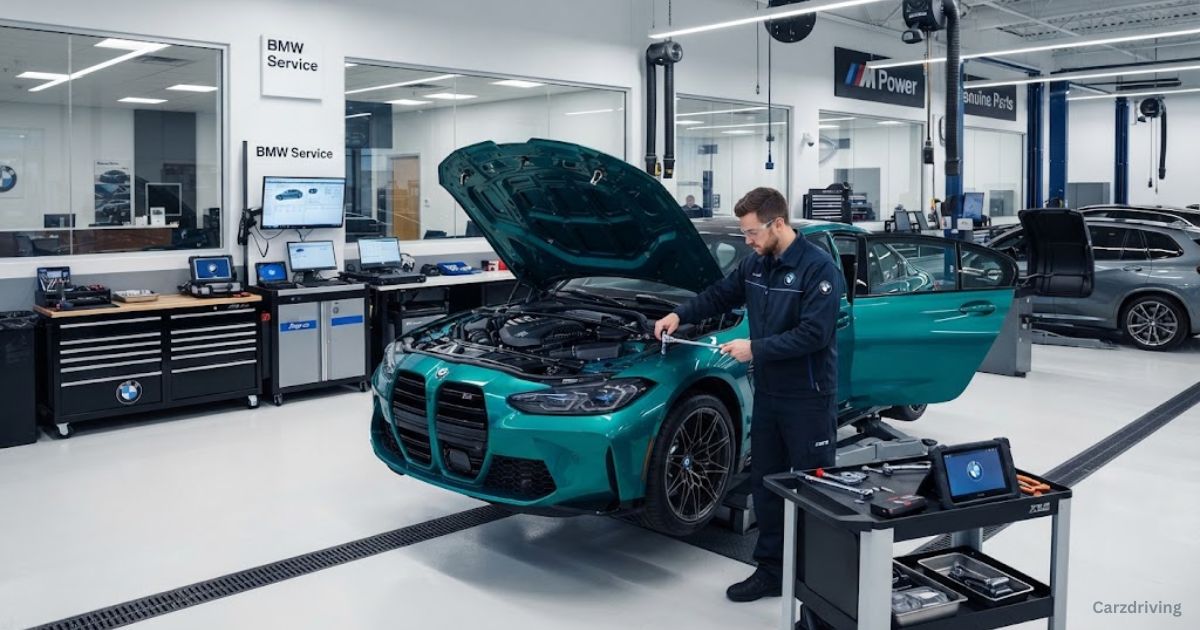
Look for ASE-certified technicians and a master technician on staff, plus dealership-level diagnostics, dealer-grade equipment, and factory-level equipment. A shop that works on all models and generations and other European makes shows real depth. Watch for Hunter alignment equipment, Snap-on tools, and Identifix repair data, since they speed up accurate fixes.
Who Can I Trust to Work on My Car?
Choose a BMW repair shop with clear pricing, certified staff, and recent customer feedback. A true BMW specialist knows model quirks that general shops miss. Visit once, ask questions, and trust your gut.
Search for a BMW auto repair team near home or work, and read customer reviews and customer satisfaction scores. Some owners like a family-owned shop, while others prefer a bigger BMW auto shop. Either way, look for honest recommendations and professional workmanship.
How Much Does BMW Repair Cost, and Is Early Service Worth It?
BMW repair costs vary by model and parts, so no honest shop quotes a flat number without looking at the car. A small fix now almost always beats costly repairs later. Ask for a fair price in writing after the diagnosis.
Early service shrinks repair bills because it stops damage from spreading, and a tidy file of receipts lifts resale value. Buyers pay more for documented care. Even small savings add up over a few years.
Skipped visits let wear and tear compound across brakes, cooling, and suspension. Steady care delivers breakdown prevention, a longer vehicle lifespan, better reliability, and peace of mind. Remember that wear items like tires and wiper blades need timely swaps even though warranties usually exclude them.